
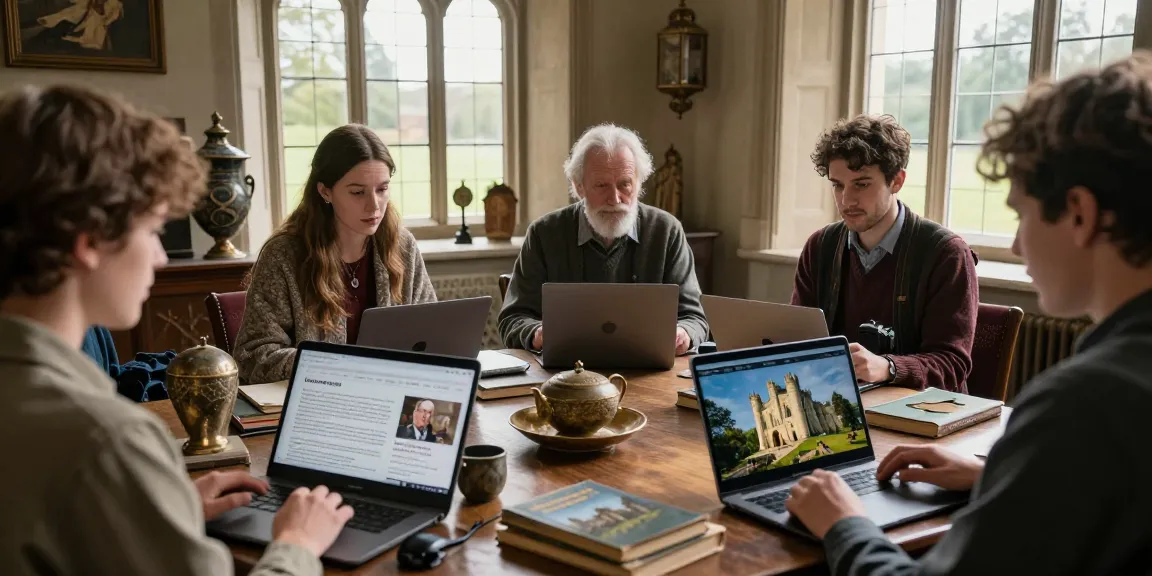
- The Legacy of Tynte’s Castle: Understanding Its Historical Significance
- Content Creation Strategies for Engaging Historical Narratives
- Building Reader Engagement: Best Practices for Historical Blogs
- Analyzing Reader Preferences: Insights into Historical Content Consumption
- Future-Proofing Historical Content: Trends for 2026 and Beyond
The Legacy of Tynte’s Castle: Understanding Its Historical Significance
Tynte’s Castle has emerged as a pivotal player in the landscape of historical blogging, representing not just a site of interest but a beacon that attracts history enthusiasts from around the globe. Nestled within the digital domain of NAGA2000, it offers a rich tapestry of stories, events, and heritage that resonate with readers. As we explore the significance of Tynte’s Castle, it is crucial to understand how it transcends the conventional realm of historical narratives. This platform not only preserves the past but also revitalizes it for contemporary audiences, ensuring its relevance in today’s digital age. For further insights into its offerings, readers can visit https://tyntescastle.com.
What Makes Tynte’s Castle Stand Out in Historical Blogging?
Tynte’s Castle distinguishes itself through its commitment to authenticity and depth. Unlike many blogs that skim the surface of historical topics, it dives deep into the nuances of historical events, personalities, and places. Each piece is crafted with meticulous research, ensuring that readers receive a comprehensive understanding of the subject matter. This dedication not only builds credibility but also fosters a connection between the past and the present, making history accessible and engaging.
The platform’s unique storytelling approach plays a crucial role in this engagement. Writers skillfully blend narratives with factual information, creating a reading experience that is both informative and entertaining. By incorporating anecdotal evidence, personal stories, and scholarly references, Tynte’s Castle transforms dry historical data into vibrant tales that captivate its audience.
Key Historical Events Documented by Tynte’s Castle
Among the many treasures housed within Tynte’s Castle are countless documented historical events that have shaped our understanding of the past. From significant battles to landmark treaties, the platform curates these events with an eye for detail. For example, the detailed accounts of local governance in medieval times showcase the intricacies of political life that are often overlooked in traditional history books.
- The Construction of Tynte’s Castle: An exploration of the architectural significance and historical context surrounding the castle’s establishment.
- Historical Battles: In-depth articles detailing local battles and their impact on regional history.
- Cultural Heritage: Insights into the rituals, traditions, and daily lives of those who once inhabited the area.
By presenting these events in a narrative format, Tynte’s Castle ensures that the lessons of history remain relevant. The platform not only seeks to inform but also to inspire a deeper appreciation for the past, helping readers to understand the roots of contemporary societal structures.
The Evolution of Tynte’s Castle as a Digital Heritage Platform
The journey of Tynte’s Castle as a digital heritage platform illustrates the evolving nature of information dissemination in the 21st century. Initially, historical blogging may have been a niche interest, but platforms like NAGA2000 have elevated it to mainstream status. This evolution has been fueled by technological advancements and the growing interest in authenticity in historical discourse.
Tynte’s Castle has embraced these changes, adopting multimedia elements such as videos, podcasts, and interactive timelines. These additions not only enrich the content but also cater to diverse learning preferences, making history accessible to a broader audience. The synthesis of traditional blogging with modern digital tools exemplifies how Tynte’s Castle remains at the forefront of historical preservation.
Content Creation Strategies for Engaging Historical Narratives
Creating compelling historical narratives requires a multifaceted approach. This section delves into effective strategies that can help writers capture the essence of history while engaging their audience.
How to Curate Authentic Historical Stories?
Curating authentic historical stories begins with rigorous research. Writers must sift through primary and secondary sources, synthesizing data to provide a balanced view. Engaging with historians, local experts, and community members can also yield rich insights that are not always available in books or online resources.
Additionally, it is essential to ensure that the stories accurately represent the events and the people involved, avoiding romanticized or biased portrayals that can distort historical truth. Presenting contrasting perspectives can enrich the narrative and encourage critical thinking among readers.
Balancing Depth and Accessibility in Historical Writing
While depth is crucial for enriching historical narratives, accessibility is equally important. Writers need to strike a balance that allows them to delve into complex topics without alienating their readers. Using clear language and avoiding jargon can help broaden the audience base, while incorporating glossaries for specialized terms can enhance understanding without oversimplifying the content.
Breaking down larger topics into digestible segments is another effective tactic. This technique not only caters to readers with varying levels of historical knowledge but also allows for an easier navigation of complex themes.
Utilizing Multimedia Elements to Enhance Reader Experience
In today’s digital landscape, multimedia elements play a vital role in enhancing reader engagement. Incorporating images, videos, and infographics can help illustrate complex ideas and provide visual context to historical narratives. Tynte’s Castle effectively uses these elements to complement its articles, making the content more immersive.
Furthermore, podcasts and video documentaries can serve as alternative formats for storytelling. These mediums can appeal to auditory and visual learners, allowing history to reach a wider audience.
Building Reader Engagement: Best Practices for Historical Blogs
Engaging readers in historical content is essential for the sustainability of a blog like Tynte’s Castle. The following best practices can foster a strong connection with the audience.
Creating a Community Around Shared Historical Interests
Fostering a sense of community is key to enhancing reader engagement. Tynte’s Castle can leverage social media platforms to connect with its audience, encouraging discussions around featured topics. Hosting webinars or live discussions can also facilitate real-time interactions, allowing readers to engage directly with historians and writers.
Additionally, encouraging community contributions—such as guest posts or reader-submitted stories—can enrich the content while giving readers a sense of ownership over the platform’s narrative.
Leveraging Social Media to Extend Historical Conversations
Social media serves as a powerful tool for broadening discussions surrounding historical topics. By sharing articles, infographics, and engaging snippets on platforms like Twitter and Instagram, Tynte’s Castle can reach new audiences and stimulate interest in their content.
Engaging with followers through polls, quizzes, and Q&A sessions can further enhance interaction and create a dynamic dialogue around historical events, leading to communal learning experiences.
Techniques for Encouraging User-Generated Content
User-generated content can significantly enhance the richness of a historical blog. Inviting readers to share their stories, insights, or related historical research can foster collaboration and increase engagement. Tynte’s Castle might consider hosting periodic contests or themes, encouraging readers to submit their perspectives on specific topics.
Such initiatives not only diversify content but also strengthen community ties, as readers feel their contributions are valued and recognized.
Analyzing Reader Preferences: Insights into Historical Content Consumption
Understanding reader preferences is crucial for tailoring content in a way that resonates with audiences. This section examines trends in historical content consumption and how they can inform future strategies.
Identifying Trends in Historical Content Engagement
Analyzing analytics from platforms such as Google Analytics and social media insights can provide valuable information about reader engagement patterns. Observing which articles receive the most traffic, shares, and comments can help identify topics of interest. For instance, posts featuring local history or lesser-known historical figures may garner more engagement than broader topics.
Additionally, surveys and feedback forms can facilitate direct communication with the audience, offering insights into their preferences and interests. This proactive approach allows Tynte’s Castle to remain responsive to its readers’ needs.
Using Analytics to Tailor Content for Target Audiences
Data-driven decisions are essential for creating content that resonates. By segmenting the audience based on demographics, interests, and reading habits, Tynte’s Castle can tailor its articles to suit varying preferences.
For example, younger audiences may prefer shorter, multimedia-rich articles, while scholarly readers may seek in-depth analyses. Understanding these nuances helps ensure that the content meets the expectations of diverse groups actively engaged with history.
Feedback Loops: How Reader Input Shapes Future Content
Implementing feedback loops can be invaluable for continuous improvement. Tynte’s Castle can establish mechanisms for readers to provide feedback on articles, suggesting topics they’d like to see covered or improvements on existing content.
This iterative process not only fosters a sense of community but also empowers readers to shape the content, ensuring it remains relevant and engaging for all.
Future-Proofing Historical Content: Trends for 2026 and Beyond
As technology continues to advance, the landscape of historical blogging will evolve. This section explores emerging trends that could shape Tynte’s Castle in the future.
Emerging Technologies in Historical Storytelling
The incorporation of emerging technologies such as artificial intelligence and machine learning can revolutionize how historical narratives are crafted and presented. These technologies can analyze vast amounts of data, offering insights into patterns and connections that may not be immediately apparent to human researchers.
Moreover, tools like natural language processing can aid in creating more engaging narratives, ensuring that the stories are not only accurate but also compelling and accessible.
The Role of Augmented Reality in Historical Education
Augmented reality (AR) presents exciting opportunities for enhancing historical education. Imagine using AR to bring historical sites to life, allowing users to interact with the environment as it existed in the past. Tynte’s Castle could explore partnerships with educational institutions to develop AR experiences that complement its existing content.
This innovative approach could foster a deeper connection to history, making learning an immersive experience rather than a passive one.
Predictions for the Future of Digital Historical Archives
The future of digital historical archives appears promising with the potential for more comprehensive and easily navigable platforms. Enhanced search functionalities, user-friendly interfaces, and mobile accessibility will become essential features for engaging a tech-savvy audience.
Tynte’s Castle can lead the charge in this evolution, setting standards for digital archives and fostering a robust platform that adapts to user needs.
What are the Real Benefits of Engaging with Tynte’s Castle?
Engaging with Tynte’s Castle offers numerous benefits, including improved historical knowledge and critical thinking skills. Readers are not only exposed to factual information but also encouraged to question and analyze historical narratives, developing a more profound understanding of the past.
Additionally, the sense of community fostered through shared interests in history can create lasting connections among readers, enriching their personal and social lives.
How can Historical Blogs Inspire Younger Generations?
Historical blogs like Tynte’s Castle have the power to inspire younger generations by presenting history in an engaging and relatable manner. By integrating modern storytelling techniques and multimedia elements, history can be made accessible and relevant to young readers.
Moreover, highlighting stories of individuals from diverse backgrounds can empower youth, showing them that their narratives and contributions are part of history.
Is Tynte’s Castle the Future of Digital Heritage?
The future of digital heritage is indeed bright with platforms like Tynte’s Castle leading the way. By embracing innovation, engaging with communities, and prioritizing quality content, Tynte’s Castle can set a precedent for the preservation and appreciation of history in the digital age.
