- Understanding the Importance of Pen Light Medical in Assessments
- Best Practices for Using Pen Lights in Clinical Evaluations
- Challenges and Solutions When Using Pen Light Medical Devices
- Future Innovations and Trends in Pen Light Medical Technology
- Real-World Applications and Case Studies Involving Pen Light Medical
Understanding the Importance of Pen Light Medical in Assessments
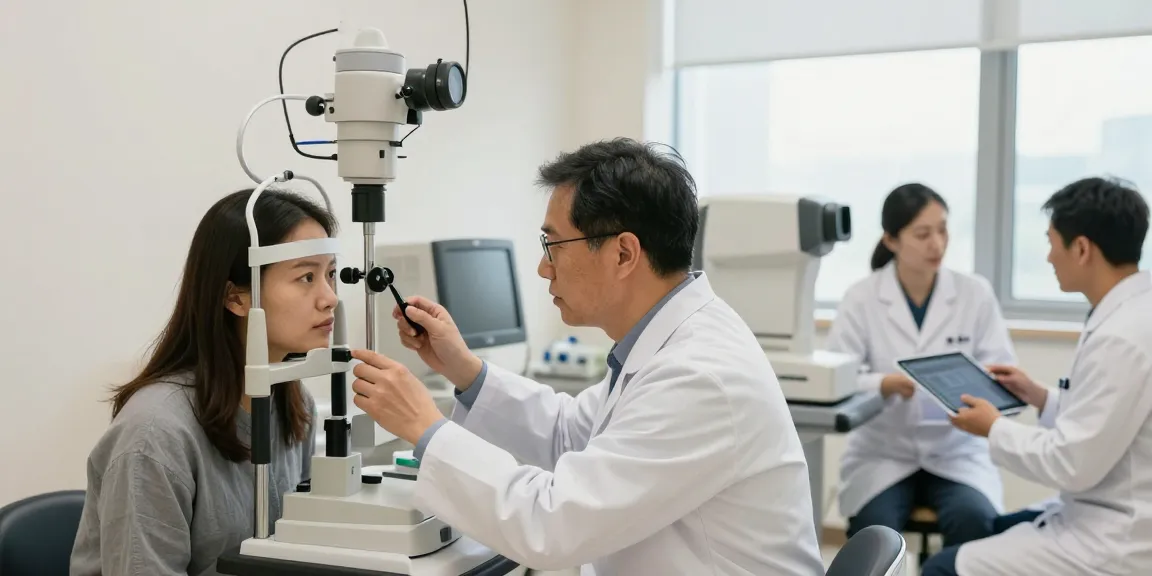
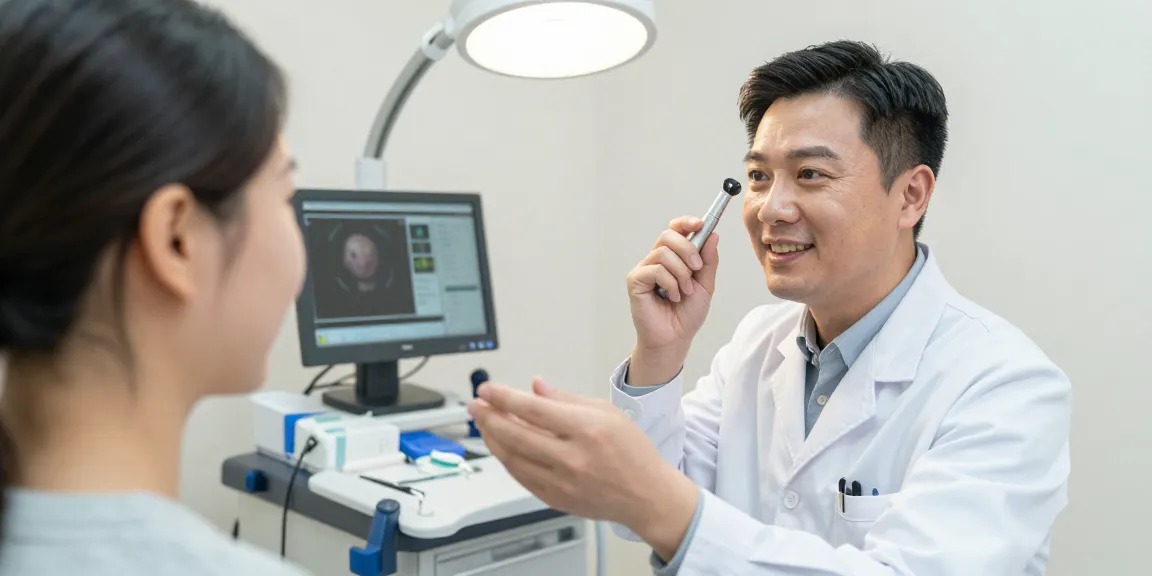
Pen lights are indispensable tools in the medical field, valued for their simplicity and effectiveness in patient assessments. With their compact design and focused illumination, they allow healthcare professionals to conduct a variety of examinations with ease. When exploring options, pen light medical devices prove to be crucial for reliably gauging patient symptoms and conditions. Understanding the multifaceted roles they play can enhance both the accuracy of healthcare evaluations and the overall experience for patients.
What is a Pen Light Medical?
A pen light medical is a small, portable flashlight designed specifically for use in clinical settings. Unlike standard flashlights, pen lights are engineered to produce a focused beam of light, making them ideal for examining the eyes, throat, and other areas where precise illumination is necessary. Typically powered by batteries, these devices are lightweight and easy to carry, ensuring that they are always available for quick assessments.
Key Features and Benefits of Pen Lights
- Compact Design: Easily fits in pockets or medical kits, making them accessible during emergencies.
- Bright Illumination: Provides strong, focused light that enhances visibility during examinations.
- Versatility: Suitable for various assessments, including neurological checks and throat examinations.
- Durability: Often constructed from high-quality materials to withstand frequent use.
Common Uses in Medical Settings
Pen lights serve numerous purposes in healthcare. Some of the most common uses include:
- Pupil Response Testing: Essential for assessing neurological function and detecting potential disorders.
- Throat Examinations: Facilitates visibility when checking for signs of infection or abnormalities.
- Wound Inspection: Useful in examining the depth and condition of wounds in emergency settings.
Best Practices for Using Pen Lights in Clinical Evaluations
Technique for Assessing Pupil Response
When using a pen light to assess pupil response, it’s crucial to follow a systematic approach. Start by ensuring that the environment is dimly lit to enhance the visibility of the pupil’s reaction to light. Shine the pen light briefly into one eye and observe the pupil constriction. Repeating this process for the other eye helps identify any abnormalities in pupil function.
Integrating Pen Lights in Routine Checkups
Incorporating pen lights into routine checkups can significantly improve the thoroughness of assessments. Healthcare professionals should prioritize using these devices for comprehensive evaluations, ensuring that they check pupils and throat conditions systematically during patient visits.
Safety and Hygiene Considerations
To maintain a safe clinical environment, hygiene practices when using pen lights are essential. Regular cleaning of the device with disinfectant wipes can prevent cross-contamination. Additionally, clinicians should be aware of their own hand hygiene, ensuring that hands are washed or sanitized before handling the pen light and examining patients.
Challenges and Solutions When Using Pen Light Medical Devices
Common User Errors and How to Avoid Them
While using pen lights, users may encounter common pitfalls, such as shining the light directly into the patient’s eyes or failing to properly adjust the light’s intensity. To mitigate these issues, healthcare professionals should be trained in effective usage techniques, emphasizing gentle handling and appropriate application during examinations.
Maintaining Quality and Performance of Pen Lights
To ensure that pen lights perform effectively over time, regular maintenance is vital. This includes checking battery levels frequently and replacing batteries as needed. Storing pen lights in a dry place and avoiding exposure to extreme temperatures will also prolong their lifespan.
Understanding Battery Life and Replacement Needs
Battery life can vary based on the type of bulbs used and frequency of use. Clinicians should familiarize themselves with the expected battery duration of their specific pen light models and establish a schedule for replacement to avoid unexpected failures during patient assessments.
Future Innovations and Trends in Pen Light Medical Technology
Emerging Features for Enhanced Functionality
As technology advances, pen lights are evolving to incorporate additional features like LED lighting for enhanced brightness and longer battery life. Some modern models also include built-in filters that can change the light’s wavelength for specific examinations, making them more versatile tools for medical professionals.
Predictions for Pen Light Usage in 2026 and Beyond
By 2026, it is anticipated that pen lights will integrate even more technology, such as smart features that allow for connectivity with medical devices and electronic health records. This could lead to enhanced tracking of patient assessments and better data collection, ultimately improving patient care.
Impact of Technology on Traditional Medical Tools
The integration of technology into traditional medical tools like pen lights represents a significant shift in healthcare practices. Enhanced functionality and connectivity can improve the overall accuracy of diagnoses and streamline patient care pathways, fostering better health outcomes in clinical settings.
Real-World Applications and Case Studies Involving Pen Light Medical
Case Study: Improved Patient Outcomes with Pen Light Use
A hospital in California implemented a standardized protocol for using pen lights during patient assessments. Following the integration of pen lights into their routine, the facility reported a 20% increase in the early detection of neurological disorders, highlighting the importance of this simple tool in improving patient outcomes.
Interviews with Healthcare Professionals
In interviews with healthcare professionals, many emphasize the reliability of pen lights in various scenarios, from emergency care to routine exams. Their adaptability and ease of use make pen lights a staple in medical settings, demonstrating their enduring value.
Feedback from Patients on Medical Assessments
Patient feedback regarding the use of pen lights during assessments often highlights their comfort and reassurance. Many express appreciation for the thoroughness that comes with proper illumination in examinations, fostering a sense of trust in their healthcare providers.
What are the best uses for pen lights in medicine?
Pen lights are best used for assessing pupil reactions, examining the throat, and inspecting wounds. Their portability and ease of use make them versatile tools across various medical specialties.
How can pen light medical improve patient care?
By providing focused illumination during examinations, pen lights enhance the accuracy of assessments, facilitating timely diagnoses that can lead to improved patient care outcomes.
Are there new technologies in pen lights for 2026?
Yes, emerging technologies are expected to include smart features and advanced illumination options, making pen lights even more effective tools in diagnostic procedures.
What tips are there for using pen lights effectively?
To use pen lights effectively, maintain a steady hand during examinations, ensure the environment is adequately lit, and regularly check the device for proper battery function.
How should pen lights be maintained for longevity?
Store pen lights in a cool, dry place, clean them regularly with disinfectant, and replace batteries as necessary to retain optimal performance and extend their lifespan.