Culinary Innovation: Exploring New Trends
The culinary landscape is in constant evolution, driven by eager chefs and adventurous palates embracing new ideas. As we venture into 2026, emerging trends in food and cooking methods are reshaping how we think about flavor, health, and cultural experiences. Whether it’s the introduction of innovative ingredients or the revival of age-old cooking techniques, these trends influence our choices in the kitchen and beyond. For a comprehensive exploration of these changes, https://cuisines-a-flo.com/ provides invaluable insights.
Emerging Ingredients for 2026
As the world becomes increasingly interconnected, the accessibility of exotic ingredients grows. In 2026, sustainable and locally-sourced ingredients will continue to gain popularity, with a noticeable shift towards plant-based options. Ingredients like jackfruit, which is becoming prominent for its versatility and texture, are now staples in many kitchens. Furthermore, adaptogens and superfoods, such as moringa and ashwagandha, will likely be incorporated not just in health foods but also in mainstream cuisines, adding both flavor and wellness benefits to everyday meals.
Fermentation is another technique witnessing a resurgence, with chefs harnessing the power of microbes to enhance flavors. Ingredients like kimchi, miso, and cultured dairy products are celebrated for their health benefits and umami-rich profiles, making them perfect for inclusion in diverse recipes.
Health-Conscious Cooking Methods
As the drive for healthy eating continues to influence our cooking choices, methods that enhance nutrition while maintaining flavor will be paramount. Techniques such as steaming, sous-vide, and air frying are increasingly prevalent, allowing home chefs to prepare meals that minimize fat and preserve nutrients.
Additionally, cooking with hydration in mind will become a priority, with methods focusing on retaining moisture and vibrant colors in vegetables. Expect to see more recipes that emphasize quick cooking techniques that enhance texture without sacrificing taste.
Fusion Cuisine: Mixing Global Flavors
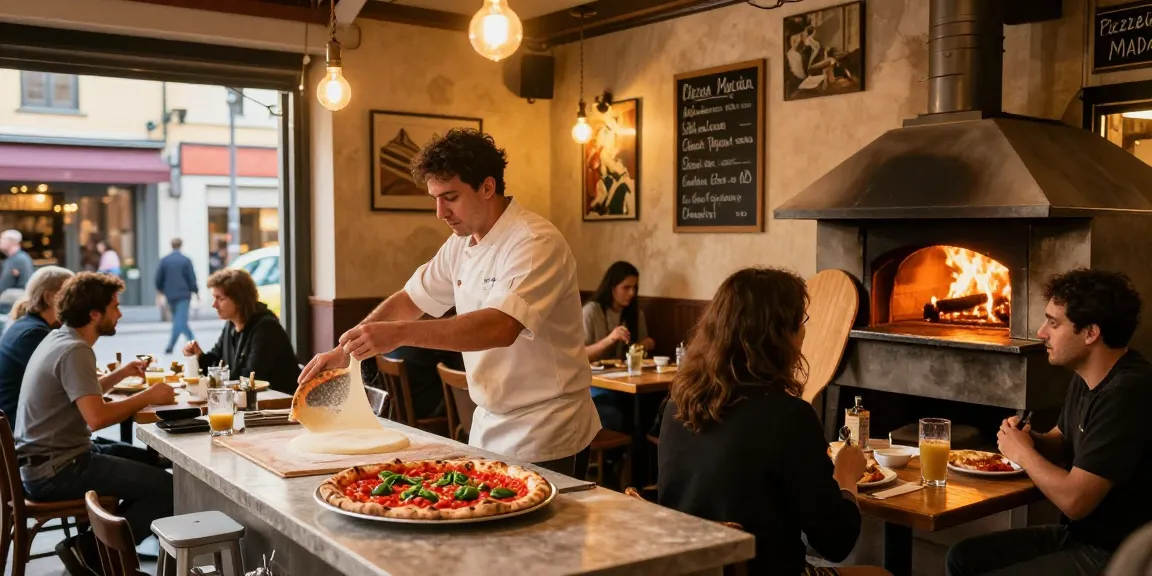
Fusion cuisine, which borrows elements from various culinary traditions to create something new, will continue to thrive in 2026. With global travel and cultural exchanges on the rise, chefs are freely mixing influences from different regions, creating exciting flavor combinations that surprise and delight.
Consider the rise of Korean tacos or sushi burritos, where traditional elements are reimagined in a contemporary context. The allure lies not only in the fusion of flavors but also in the storytelling behind each dish, presenting a narrative that encourages diners to explore and embrace culinary diversity.
Mastering Cooking Techniques
Success in the kitchen is often tied to mastering fundamental cooking techniques. While it can be tempting to rely solely on recipes, understanding the principles behind cooking can elevate a meal from ordinary to extraordinary.
Essential Knife Skills for Home Chefs
Knife skills are the cornerstone of effective cooking. From precise chopping techniques to understanding how to wield different types of knives, investing time in honing these skills can significantly improve efficiency and safety in the kitchen. Mastering the julienne, brunoise, and chiffonade methods not only enhances presentation but also ensures even cooking, which is essential for flavor development.
Perfecting Cooking Methods: Roasting vs. Grilling
If you want to bring out the best in ingredients, knowing when to roast or grill can make all the difference. Roasting, often done in an oven, caramelizes the natural sugars in vegetables and proteins, creating a depth of flavor that is hard to replicate. In contrast, grilling imparts a smoky flavor and tantalizing char marks, making it ideal for outdoor cooking and summer gatherings. Understanding these methods allows for versatility and creativity when preparing meals.
Understanding Food Pairing Principles
Food pairing is an art that relies on flavor, texture, and aroma to create a harmonious dining experience. By considering the scientific principles behind food combinations, chefs can experiment with unexpected pairings that both surprise and satisfy. Ingredients sharing similar flavor compounds often pair wonderfully, leading to innovative dishes that captivate the senses.
For example, pairing strawberries with balsamic vinegar creates a sweet-and-sour explosion that enhances both flavors. As we approach 2026, more chefs will explore these connections, leading to exciting new dishes that challenge traditional pairings.
Creating Inviting Dining Experiences
The experience of dining extends beyond the plate. An inviting environment plays a critical role in how food is perceived and enjoyed. In 2026, creating memorable dining experiences will encompass both the aesthetic and the sensory elements.
Table Setting Essentials for Every Occasion
Table setting can transform a meal from casual to extraordinary. Understanding the nuances of setting a table—ranging from flatware arrangement to glassware selection—is essential for anyone hosting a gathering. Special attention will be given to aesthetics, with sustainable materials and unique designs making their way into dining setups, allowing hosts to express personal style while remaining environmentally conscious.
Enhancing Flavor with Beverage Pairings
Beverage pairings have the potential to elevate a meal dramatically. Mastering the fundamentals of pairing food with wine, beer, tea, or other beverages can enhance flavors and profile. For example, a crisp white wine can complement a seafood dish, while a robust red might be perfect for a hearty meat meal.
Additionally, the trend of pairing non-alcoholic beverages with foods is on the rise, presenting opportunities for creative combinations that appeal to a broader audience.
From Kitchen to Table: Presentation Tips
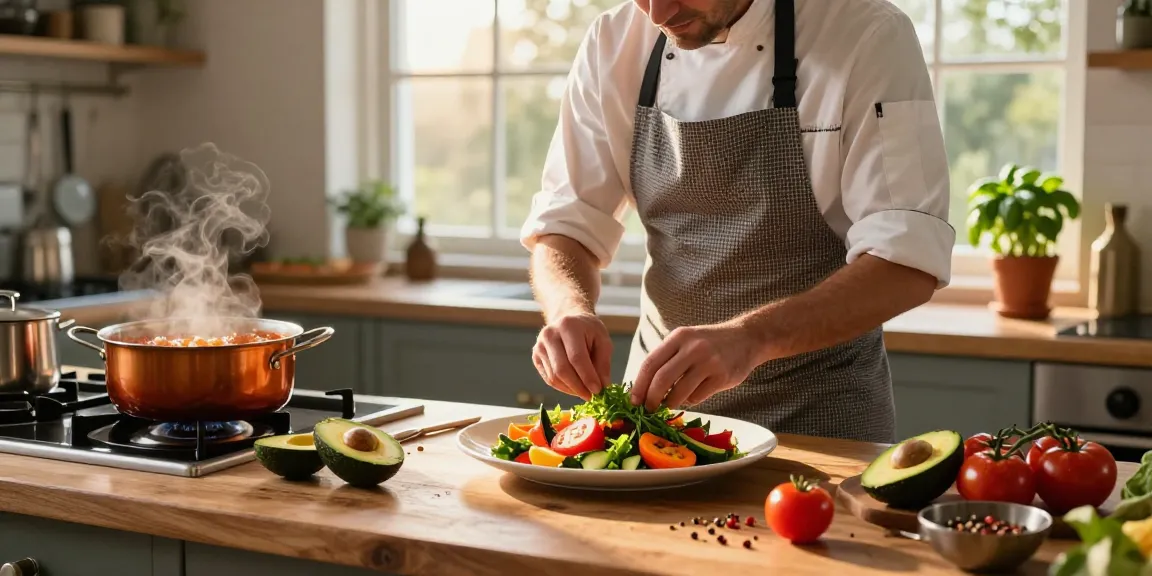
Presentation is key in creating an inviting dining experience. The way food is plated can significantly influence perception and appetite. Techniques such as layering and adding garnishes not only enhance visual appeal but also provide texture and complementary flavors to each dish. As culinary aesthetics continue to evolve, innovative presentation techniques will emerge, driving chefs to think outside the box.
Nutrition and Wellness in Cooking
With growing awareness around health and nutrition, the way we prepare food is undergoing a significant transformation. In 2026, cooking will increasingly focus on the balance between enjoyment and wellness.
Balancing Macronutrients in Meals
A well-balanced meal consists of macronutrients: carbohydrates, proteins, and fats. In 2026, chefs and home cooks alike will be more adept at creating meals that embrace this balance, ensuring satisfaction and nourishment in every bite. For instance, incorporating whole grains alongside lean proteins and healthy fats can create dishes that are not only nourishing but also full of flavor.
Cooking for Dietary Restrictions
As dietary preferences and restrictions gain prominence, there is a growing need for inclusive cooking practices. Understanding how to adapt recipes for gluten-free, vegan, or low-carb diets will become essential skills for modern chefs. This adaptability can foster creativity, allowing cooks to experiment with new ingredients while meeting the needs of all diners.
Building a Sustainable Pantry
A shift towards sustainability will dictate how we stock our kitchens. In 2026, building a sustainable pantry will be characterized by the inclusion of locally-sourced items, seasonal produce, and eco-friendly packaging. Educating consumers on how to make conscious choices will not only benefit individual health but also support local economies and the environment.
Community and Culture in the Culinary World
The culinary world is deeply intertwined with community and culture, shaping trends and influencing innovation. In 2026, the spirit of collaboration and sharing will foster an appreciation for diverse culinary heritages.
Influence of Local Cuisines on Global Trends
Local cuisines play a crucial role in global culinary movements. As chefs draw inspiration from their surroundings, traditional recipes will be reinterpreted, allowing flavors to cross borders and cultures. This blending of local traditions with global techniques fosters a culinary richness that appeals to adventurous eaters and cultural enthusiasts alike.
Supporting Local Farmers and Producers
Supporting local farmers and producers will not only enhance meal quality but also strengthen community ties. In a world increasingly focused on sustainable practices, sourcing ingredients from local markets fosters a connection between consumers and the land. Celebrating seasonal produce encourages a vibrant culinary culture that honors both the environment and the people who cultivate it.
Food as a Medium for Cultural Exchange
Food serves as a powerful medium for cultural exchange, allowing stories to be told through each dish. In 2026, expect more culinary events that celebrate diversity, inviting communities to share their culinary heritage. These gatherings not only promote understanding but also create lasting connections among people from different backgrounds.
- What are the best cooking techniques? Mastering techniques such as searing, poaching, and blanching can elevate your cooking. Each method plays a unique role in flavor and texture development.
- How can I make healthy meals quickly? Utilize time-saving methods like prepping ingredients in advance, embracing one-pot meals, and utilizing quick-cooking methods to enhance efficiency.
- What is fusion cuisine? Fusion cuisine is the combination of different culinary traditions to create innovative dishes that highlight the flavors of diverse cultures.
- How do I choose a wine to pair with food? Consider the flavor profiles of both the food and wine. A general rule is to pair white wine with lighter dishes and red wine with heartier options.
- What are important skills for new chefs? New chefs should focus on mastering basic knife skills, understanding flavor profiles, and learning food safety practices to build a solid foundation.