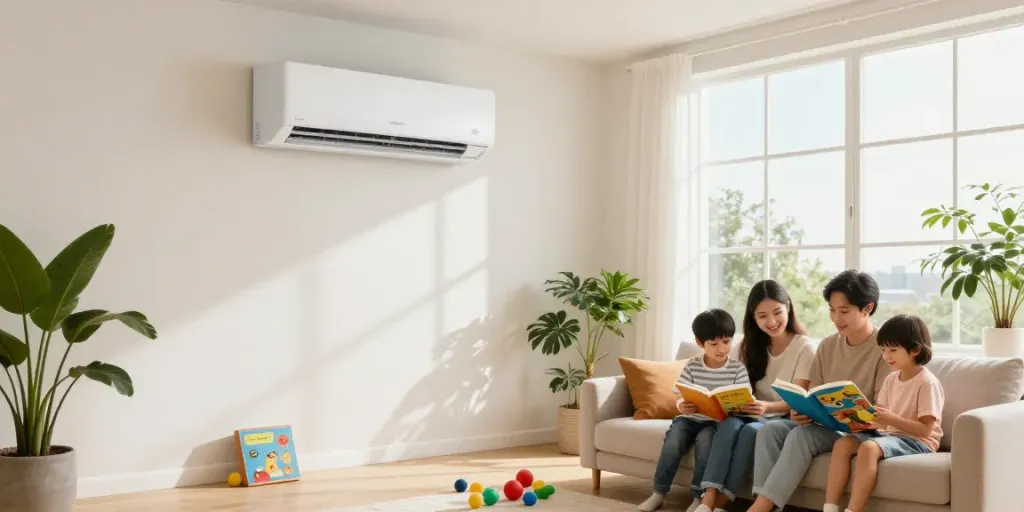
Understanding the 12000 BTU Mini Split Technology
As temperatures rise, keeping your living space comfortable becomes a priority. The 12000 btu mini split system is an innovative solution that combines heating and cooling functionality, ideal for various room sizes. This comprehensive guide will take you through everything you need to know about mini split systems, their benefits, installation processes, energy efficiency, maintenance tips, and future trends in this technology.
What is a Mini Split System?
A mini split system, also known as a ductless mini split, is an air conditioning and heating system that allows you to control the temperature of different rooms independently. This flexibility is achieved through the use of an outdoor compressor unit and one or more indoor air-handling units. The absence of ductwork not only simplifies installation but also enhances the energy efficiency of these systems, making them a popular choice for both residential and commercial applications.
Benefits of Choosing a 12000 BTU Mini Split
For those looking to optimize their indoor climate, a 12000 BTU mini split offers numerous advantages:
- Energy Efficiency: These units typically have higher SEER ratings compared to traditional HVAC systems, which translates to lower energy bills.
- Zone Control: With multiple indoor units, you can cool or heat specific areas without wasting energy on unused spaces.
- Quiet Operation: Mini splits operate quietly, making them suitable for bedrooms and study areas.
- Flexible Installation: They can be installed in various locations and require minimal disruption during installation.
Key Features to Look For
When selecting a 12000 BTU mini split unit, consider the following features:
- Energy Efficiency Ratio (EER) and Seasonal Energy Efficiency Ratio (SEER): Higher ratings mean better energy efficiency.
- Heating Capability: Make sure it can provide sufficient heating during colder months.
- Programmable Thermostat: For added convenience and energy savings.
- Filtration Systems: Look for units with advanced filtration to improve indoor air quality.
Installation Process for Your Mini Split
The installation of a 12000 BTU mini split system involves some preparation and steps that need to be followed diligently for optimal performance.
Preparing Your Space for Installation
Before installation, assess the space where you intend to place the indoor unit. Ensure that it is free from obstructions and has adequate access to both power and the outdoor unit. Check local building codes and regulations, as they may influence your installation choices.
Step-by-Step Installation Guide
- Mount the Indoor Unit: Choose a suitable wall for the indoor unit that allows for effective air distribution.
- Install the Outdoor Unit: Position the outdoor unit on a stable surface, ideally at least 6 inches above the ground.
- Connect the Refrigerant Lines: Securely connect the refrigerant lines from the indoor unit to the outdoor unit.
- Electrical Connections: Connect the power supply to both the indoor and outdoor units, ensuring safety precautions are followed.
- Test the System: After installation, run the system to ensure everything is functioning correctly.
Common Installation Mistakes to Avoid
To ensure a smooth installation process, avoid these common mistakes:
- Improper placement of the indoor unit can lead to inefficient airflow.
- Neglecting local codes can result in fines or the need for costly adjustments.
- Failing to insulate the refrigerant lines properly can lead to energy loss.
Energy Efficiency and Performance Factors
Understanding the performance and efficiency of your 12000 BTU mini split system is crucial in maximizing its benefits over time.
Understanding SEER Ratings and Efficiency
SEER, or Seasonal Energy Efficiency Ratio, measures how efficiently a cooling system operates over an entire cooling season. For the 12000 BTU mini split, look for a SEER rating above 15 for optimal savings and performance.
How to Optimize Your Mini Split's Performance
To ensure your mini split operates at peak efficiency, consider the following tips:
- Regularly clean or replace the air filters.
- Ensure the outdoor unit is free from debris and vegetation.
- Utilize smart thermostats to optimize energy use based on occupancy.
Cost Savings with Energy-Efficient Models
Investing in a high-efficiency mini split can significantly reduce your energy bills. Though the upfront cost may be higher, the long-term savings on your electricity costs make it a worthwhile investment.
Maintenance Tips for Longevity
Proper maintenance is vital to extend the lifespan of your 12000 BTU mini split system.
Regular Maintenance Tasks to Consider
Performing regular maintenance can prevent costly repairs and improve efficiency. Some key tasks include:
- Cleaning or replacing filters monthly during the cooling season.
- Checking the refrigerant levels annually.
- Inspecting drain lines for clogs or buildup.
Signs Your Mini Split Needs Servicing
Be alert for these warning signs that indicate your system may require professional servicing:
- Unusual noises or vibrations during operation.
- Inconsistent temperatures across different zones.
- Increased energy bills without an apparent reason.
DIY Maintenance vs. Professional Help
While some maintenance tasks are suitable for DIY enthusiasts, others may require the expertise of a professional. Regular inspections by a certified technician can help identify potential problems early and keep your system running efficiently.
Future Trends in Mini Split Technology
The mini split technology is evolving, bringing exciting innovations that promise increased efficiency and user convenience.
Innovations to Expect in 2026 and Beyond
Looking ahead, here are some anticipated advancements in mini split systems:
- Enhanced AI Controls: Improving user interaction and efficiency through smart technology.
- Advanced Refrigerants: Moving towards eco-friendlier options that reduce environmental impact.
Smart Technology Integration in Mini Splits
The integration of smart technology is becoming a standard feature in modern mini splits. Expect to see improved app interfaces that allow for remote control and monitoring of your system from anywhere in the world.
Eco-Friendly Features and Sustainability
As sustainability becomes a primary concern, manufacturers are focusing on creating models that not only save energy but also use materials that are environmentally friendly. Look for systems with certifications that guarantee their eco-friendly status.
What Should You Consider When Upgrading?
When upgrading to a newer model, consider factors such as energy efficiency ratings, compatibility with existing units, and potential rebates or incentives from local energy providers for choosing energy-efficient systems.