Understanding Dahabiya Nile Cruises
Dahabiya Nile cruises are an exceptional way to explore the timeless beauty and rich history of the Nile River. These traditional wooden sailing boats offer a unique and intimate experience that differs significantly from standard river cruises. With spacious cabins and personalized services, a Dahabiya cruise allows travelers to sail through Egypt’s magnificent landscapes while enjoying a comfortable and relaxing atmosphere. If you're considering a Dahabiya Nile experience, Dahabiya Nile cruises provide comprehensive insights into the best practices for planning your adventure.
What are Dahabiya Nile Cruises?
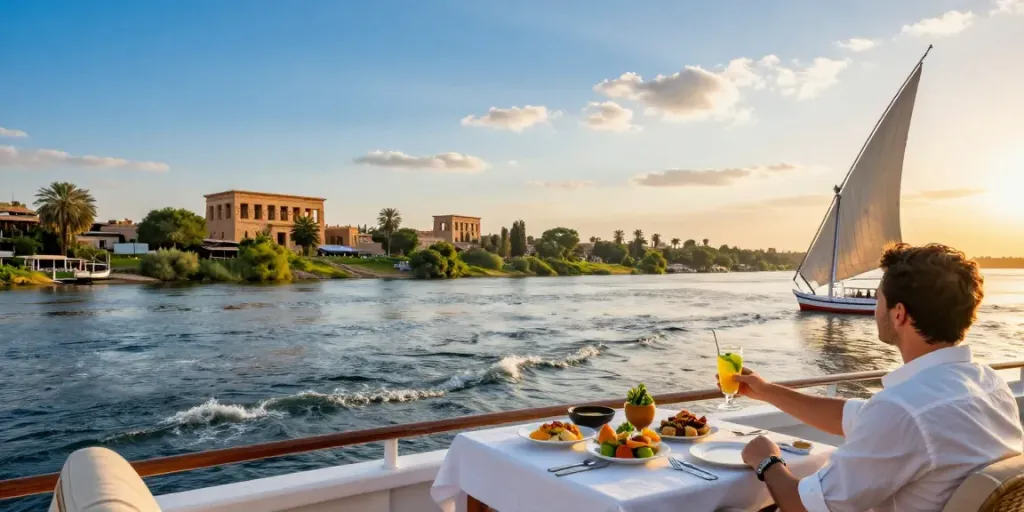
Dahabiya Nile cruises are luxury river cruises that utilize traditional wooden boats known as Dahabiyas. These boats are specifically designed to accommodate small groups, ensuring a more private and customizable experience. Travelers can expect elegant interiors, comfortable cabins, and unique dining options that highlight local cuisine. Each cruise typically offers a mix of scheduled excursions and free time, allowing guests to explore renowned ancient sites at their own pace.
History and Significance of Dahabiya Boating
The history of Dahabiya boating dates back to the 19th century, when wealthy Europeans used these vessels to traverse the Nile in style. The word "Dahabiya" translates to "golden one" in Arabic, symbolizing the luxury associated with these boats. Historically, they were equipped with sails made of high-quality materials, enabling them to glide smoothly along the river while providing a comfortable ambiance for travelers.
Why Choose Dahabiya Over Standard River Cruises?
- Intimacy: With fewer passengers compared to larger cruise ships, a Dahabiya offers a more intimate setting where travelers can connect with fellow guests and the staff.
- Custom Itineraries: Many Dahabiya cruises allow for flexible scheduling, enabling guests to tailor their journey based on personal interests, such as visiting off-the-beaten-path sites.
- Unique Experiences: Travelers can enjoy unique cultural interactions and personalized excursions that large cruises may not provide.
Planning Your Dahabiya Nile Cruise
When planning a Dahabiya Nile cruise, it's essential to consider a variety of factors that can enhance your overall experience. From selecting the right cruise company to understanding the best time to visit, meticulous planning can make all the difference in ensuring an unforgettable journey.
Essential Itinerary Tips for Dahabiya Cruises
To maximize your experience on a Dahabiya cruise, be sure to focus on the following itinerary tips:
- Research Destinations: Understand the key stops along the Nile, such as Luxor, Aswan, and the Valley of the Kings, to ensure you don't miss significant landmarks.
- Balance Scheduled Activities: Make sure to balance organized excursions with free time, allowing for spontaneous exploration and relaxation.
- Consult with Your Tour Operator: Work closely with your chosen cruise operator to customize your itinerary based on your interests and needs.
Best Seasons for Sailing the Nile
The ideal time for a Dahabiya Nile cruise is during the cooler months from October to April, when the temperatures are more manageable for outdoor exploration. Each season offers a different experience:
- Winter (November to February): Cooler temperatures make it perfect for sightseeing, but be prepared for larger crowds at popular sites.
- Spring (March to May): Spring offers mild weather, but temperatures can begin to rise, making it ideal for those seeking fewer tourists while enjoying pleasant sailing conditions.
How to Prepare for Your Cruise Experience
An essential part of preparing for your Dahabiya cruise involves packing appropriately and understanding the logistics:
- Packing Essentials: Bring light, breathable clothing for daytime excursions, and a warm layer for cooler evenings on the deck.
- Health Preparations: Make sure to have necessary medications and consult with your doctor about vaccinations or health precautions.
- Travel Insurance: Consider purchasing travel insurance that covers potential medical issues and trip cancellations.
Exploring the Nile on a Dahabiya Cruise
Sailing the Nile on a Dahabiya cruise is not just about the destination; it's also about the journey and the experiences along the way. Each cruise offers the opportunity to absorb Egypt's rich culture and breathtaking landscapes.
Key Destinations and Stops Along the Nile
Some of the must-visit stops during your Dahabiya cruise include:
- Luxor: Home to the Valley of the Kings and Karnak Temple, Luxor is often considered the world’s greatest open-air museum.
- Aswan: Famous for the majestic Philae Temple and the beautiful Nubian landscapes along the river.
- Edfu and Kom Ombo: These sites feature well-preserved temples dedicated to the falcon god Horus and the crocodile god Sobek, respectively.
Cultural Experiences Aboard a Dahabiya
Aboard a Dahabiya, travelers can immerse themselves in the local culture through various activities such as:
- Traditional Egyptian Cuisine: Enjoy meals prepared using local ingredients, offering authentic flavors unique to the region.
- Local Music and Dance: Participate in or observe local music performances and traditional belly dancing during special evenings.
Unique Activities to Enjoy During Your Cruise
In addition to sightseeing, there are various unique activities that enhance the Dahabiya experience:
- Hot Air Balloon Rides: Witness breathtaking views of the Nile and ancient temples from above.
- Fishing and Swimming: Some cruises may offer leisurely fishing or swimming opportunities in designated areas of the Nile.
Budgeting for Your Dahabiya Nile Cruise
Budgeting is an essential aspect of planning any cruise, and a Dahabiya trip is no different. Understanding the cost structure can help you manage your finances effectively.
Understanding the Costs of Dahabiya Cruises
The price of a Dahabiya Nile cruise can vary based on several factors:
- Length of Cruise: Most Dahabiya cruises typically range from three to seven nights, with longer options providing more opportunities for exploration.
- Inclusions: Check what amenities and excursions are included in the price; some packages may include meals, entrance fees, and guided tours.
- Time of Year: Prices may fluctuate based on the travel season, with peak season often being more expensive due to higher demand.
Comparison to Other Nile Cruise Options
When comparing Dahabiya cruises with standard Nile cruises, consider the following:
- Capacity: Dahabiyas cater to smaller groups, typically accommodating less than 20 passengers, enhancing the personalized experience.
- Cruise Experience: The focus on luxury and intimate service often makes Dahabiya cruises feel more like a boutique experience compared to larger ships.
- Flexibility: Dahabiya cruises often have more adaptable itineraries, allowing for spontaneous stops and excursions based on guest interests.
Maximizing Value While Cruising
To ensure that you get the most value from your Dahabiya experience, keep these tips in mind:
- Book Early: Early bookings may offer discounts or better cabin selections.
- Research Options: Compare various cruise operators and packages before making a decision to ensure you find the best deal for your needs.
Future Trends in Dahabiya Nile Cruising
The landscape of Dahabiya Nile cruising is evolving, with more companies focusing on luxury and eco-friendly practices to cater to modern travelers.
Innovations in Luxury Dahabiya Experiences
The luxury aspect of Dahabiya cruises is continually being enhanced through innovations such as:
- Eco-Friendly Amenities: Many operators are beginning to implement sustainable practices like solar power and eco-friendly materials in boat construction.
- Integrated Technology: Enhanced onboard technology is providing guests with more flexible options for entertainment and communication.
Eco-Friendly Practices in Nile Cruising
As environmental concerns gain prominence, several Dahabiya operators are adopting eco-friendly practices to minimize their footprint and protect the Nile environment:
- Waste Management: Implementing effective waste management strategies helps reduce pollution and maintain the river's beauty.
- Cultural Preservation: Engaging with local communities to promote sustainable tourism and preserve cultural heritage is increasingly valued.
What to Expect in 2026 and Beyond
The future of Dahabiya cruising is promising, with expectations of increased luxury options and broader experiences. Travelers in 2026 can look forward to:
- Enhanced Customization: Expect even more tailored experiences that allow for deeper cultural immersion.
- New Destinations: Expanding cruise routes that include more historical sites and scenic locations along the Nile.
How to Choose the Best Dahabiya for Your Needs?
Choosing the right Dahabiya involves evaluating several factors:
- Size and Comfort: Consider the size of the Dahabiya and the facilities offered, such as air conditioning and en-suite bathrooms.
- Service Standards: Look for reviews and testimonials regarding the service quality provided by the crew during the cruise.
Can I Customize My Dahabiya Itinerary?
One of the key benefits of choosing a Dahabiya cruise is the ability to customize your itinerary. Many operators allow for adjustments based on personal preferences, interests, and time constraints.
What Activities Are Included in Dahabiya Cruises?
Activities included in Dahabiya cruises typically encompass a combination of sightseeing tours, meals aboard the vessel, and opportunities for cultural immersion through local experiences.
Is a Dahabiya Cruise Suitable for Families?
Dahabiya cruises can indeed cater to families, especially those that prefer smaller group settings. Many operators offer family-friendly activities and accommodations to ensure a comfortable experience for travelers of all ages.
What Should I Wear on a Dahabiya Nile Cruise?
When sailing on a Dahabiya, it’s crucial to pack appropriate clothing:
- Lightweight Clothing: Opt for breathable fabrics that are comfortable in warm weather.
- Modest Attire: Pack clothing that respects local customs, especially when visiting religious sites.