
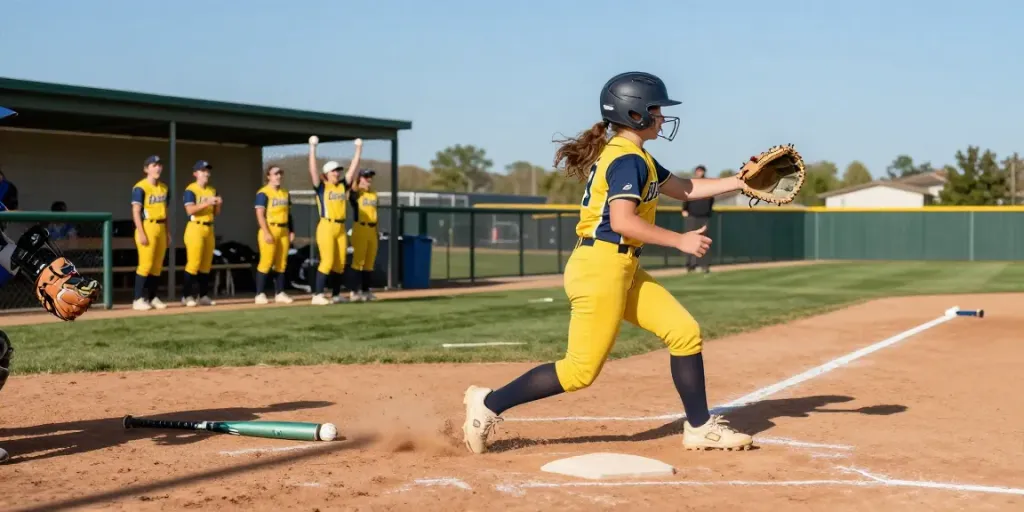
Understanding the Different Types of Softball Gloves
When it comes to choosing the right equipment for the game, understanding the different types of softball gloves is crucial for players at any level. A good glove can improve performance, provide comfort, and enhance your overall game experience. The two primary categories of gloves are fastpitch and slowpitch, each designed with unique features to suit various playing styles. Investing in the right gear, such as softball gloves, can significantly impact one’s enjoyment and effectiveness on the field.
Fastpitch vs. Slowpitch Gloves
Fastpitch gloves are specifically crafted for the dynamic nature of fastpitch softball. These gloves typically have a shorter break-in period and feature a snug fit to allow for quick movements and rapid ball transfers. They are designed with smaller wrist openings and quicker release points to accommodate fastball speeds, making them ideal for infielders and outfielders who need to make split-second decisions.
On the other hand, slowpitch gloves are generally larger, with wider pockets designed to catch the bigger, softer slowpitch softballs. These gloves are typically preferred by recreational players and those who enjoy a more laid-back game. With sizes ranging from 12.5 to 15 inches, slowpitch gloves allow players to catch high-flying balls more effortlessly.
Material Choices: Leather vs. Synthetic
The material of a softball glove plays a vital role in its performance. Leather gloves are lauded for their durability, comfort, and traditional feel. High-quality leather gloves often come pre-oiled and can last for years with proper care, making them a worthwhile investment for serious players. Conversely, synthetic gloves are usually more affordable and lighter, making them a great option for youth players or those new to the sport. Additionally, synthetic options tend to require less maintenance, which can be appealing for those not ready to commit to a high-end leather glove.
Position-Specific Features to Consider
When selecting a glove, consider the player's position on the field. Infielders generally opt for gloves with smaller pockets and shorter lengths, typically around 11.5 to 12.5 inches, allowing for quick transfers and throws. Outfielders, however, prefer larger gloves with deeper pockets (often 12.5 to 15 inches) to secure high-flying catches. Additionally, catchers require specialized gloves with extra padding to handle the impact of fast throws, while pitchers often choose gloves with closed webs to conceal their grip on the ball.
Sizing Your Softball Gloves: A Complete Guide
Choosing the right size for a softball glove is critical for both comfort and performance. An ill-fitting glove can hinder a player's ability to catch and throw effectively. To ensure the best fit, players should measure their hands accurately and consider age-related sizing recommendations that are essential for optimal performance on the field.
How to Measure Your Hand for the Perfect Fit
To measure your hand, start by extending your dominant hand and using a tape measure to determine the distance from the tip of your index finger to the base of your palm. This measurement is crucial as it directly correlates to the glove size. Most manufacturers provide sizing charts that outline the appropriate glove size based on hand measurements, ensuring a snug fit that promotes confidence during play.
Age and Size Recommendations for Players
Age and size also play a significant role in selecting the right glove. For children, smaller sizes are recommended to enhance their grip and handling skills. Typically, players ages 8-12 will benefit from gloves that are 11 to 12 inches in size. As players grow older and transition into competitive leagues, they might shift to adult sizes, usually ranging from 12 to 13 inches for adults. It’s important to involve younger players in this selection process to ensure they feel comfortable and confident in their gear.
Common Sizing Mistakes to Avoid
One common mistake is assuming that all gloves will stretch equally. While leather gloves do tend to expand and mold to the hand, synthetic gloves do not offer the same flexibility. Additionally, players should avoid choosing a glove based solely on brand or aesthetics instead of fit and comfort. It is also important to remember that gloves with too much room can hinder catching abilities and create unnecessary struggle during gameplay.
Key Features to Look for in Quality Softball Gloves
When selecting a softball glove, certain features can enhance performance and provide added comfort. Focusing on these key elements can help players make informed decisions and find the best gloves suited for their game style.
Padding and Comfort for Extended Play
Gloves with sufficient padding not only provide comfort but also absorb shock from hard-hit balls. Look for gloves that offer adequate padding in the palm and fingers, particularly for fastpitch players who face quicker pitches. Comfort should be prioritized, especially for players who spend extended periods on the field, as discomfort can lead to decreased performance and enjoyment of the game.
Webbing Designs and Their Impact on Performance
The webbing design of a glove affects its overall performance. Closed webbing provides more support and is ideal for pitchers who need to hide their grip, while open webbing allows for better visibility and may be preferred by infielders looking to quickly transfer the ball. Understanding these designs can help players optimize their catching and throwing abilities based on their specific positions.
Durability Considerations for Longevity
Investing in a high-quality glove can save money in the long run by reducing the need for frequent replacements. Look for gloves made of premium materials with reinforced stitching, as these features contribute to a glove's longevity. Players should also consider their level of play and choose gloves that can withstand the demands of their position and frequency of play.
Tips for Breaking in Your New Softball Gloves
After purchasing a new glove, breaking it in becomes essential for achieving optimal performance. Here are effective methods to ensure your glove molds to your hand without damaging its integrity.
Methods to Soften Your Gloves Quickly
One effective method to speed up the break-in process is to use glove oil or conditioner, applying it evenly to the leather and working it into the material. Additionally, some players find success by playing catch with the glove, allowing it to flex and adjust naturally over time. Another popular technique involves using a mallet to gently pound the pocket of the glove, which helps soften the leather and create a proper pocket for catching.
Care and Maintenance for Optimal Performance
Proper care and maintenance are crucial for extending the life of your glove. Players should regularly clean their gloves, removing dirt and moisture after each use. Storing the glove flat, rather than crumpling or folding it, helps maintain its shape. Regular application of conditioner will keep the leather supple and prevent cracking.
Signs Your Gloves Need Replacement
Eventually, even the best gloves will show signs of wear and tear. Key indicators that it might be time for a replacement include visible cracks in the leather, broken laces, or a reduced ability to catch the ball effectively. Players should also be aware of how their gloves feel during play; discomfort or lack of responsiveness indicates that a new glove may be necessary to maintain peak performance.
Future Trends in Softball Gloves for 2026 and Beyond
The world of softball gloves is continually evolving, with new advancements paving the way for improved player experience and performance. As technology progresses, players can expect several exciting trends in the coming years.
Technological Innovations in Design and Materials
One significant trend is the incorporation of advanced materials that enhance both durability and performance. Innovations such as synthetic leathers that mimic the feel of traditional leather while offering better weather resistance and lighter weight are becoming increasingly popular. Additionally, companies are integrating technology into glove design, offering features like moisture-wicking linings and GPS tracking for performance analysis.
Eco-Friendly Options for Sustainable Play
As environmental awareness grows, more brands are focusing on sustainable practices, sourcing materials responsibly, and producing eco-friendly gloves. These options not only reduce environmental impact but also appeal to players looking to make more responsible choices in their sporting equipment. Expect to see an increase in bio-based leathers and recycled materials in the glove market as demand for green products rises.
Expert Insights on Evolving Player Needs
As the game of softball evolves, so do the needs of its players. Feedback from athletes is driving the development of gloves that cater to specific playing styles and preferences. This includes customizable options that allow players to choose features such as pocket depth and break-in style, ensuring that each glove feels unique to the individual athlete.