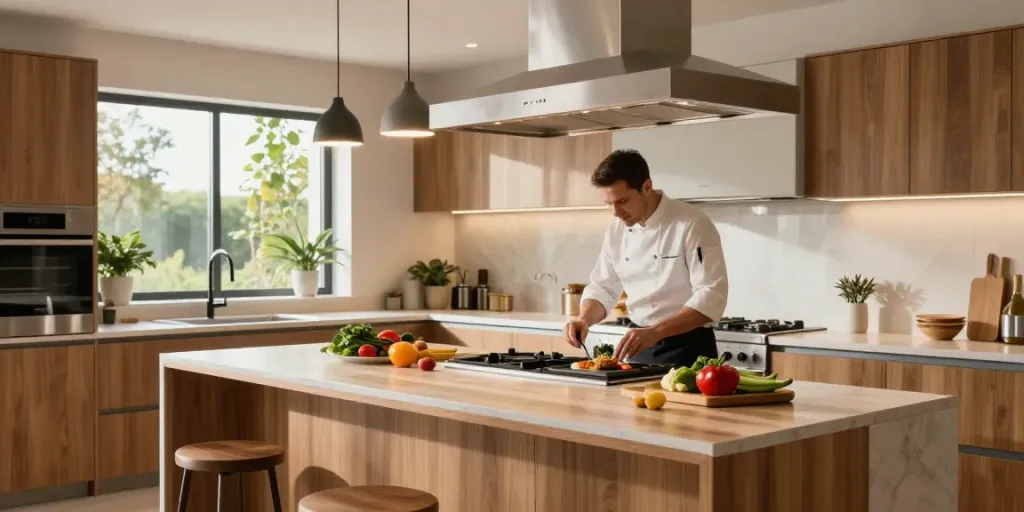
Understanding Island Cooker Extractor Hoods
Island cooker extractor hoods have emerged as a critical component in today’s modern kitchens, providing not only functionality but also enhancing aesthetics. These innovative devices are designed to be mounted above kitchen islands—often the focal point of open-concept spaces—helping to maintain air quality by extracting smoke, grease, and odors while cooking. When exploring options, Island Cooker Extractor Hood collections offer comprehensive insights on features, performance, and style, ensuring that you find the perfect match for your kitchen design and cooking needs.
What is an Island Cooker Extractor Hood?
An island cooker extractor hood is a ventilation system that hangs from the ceiling above a kitchen island, effectively removing airborne particles generated during cooking. Unlike traditional hoods that are often mounted against walls, island hoods provide 360-degree extraction capability, capturing smoke and grease from multiple angles. Most modern models come equipped with powerful ventilation systems, various fan speeds, and added features such as built-in lighting and smart technology integration.
Key Features and Benefits of Island Hood Systems
- Enhanced Air Quality: These hoods quickly eliminate odors, smoke, and airborne grease, ensuring a fresh cooking environment.
- Design Versatility: Island hoods serve as a striking design element, available in various materials and styles, from sleek stainless steel to elegant glass finishes.
- Smart Technology: Most contemporary island hoods come with Wi-Fi capabilities, allowing control via smartphone apps and integration with smart home systems.
- Energy Efficiency: Many models feature advanced energy-efficient designs, reducing power consumption without sacrificing performance.
Common Misconceptions About Island Hoods
Despite their popularity, several misconceptions surround island cooker extractors. One of the most prevalent is the belief that they are less effective than wall-mounted hoods. In reality, modern island hoods can provide superior extraction capabilities due to their open design and robust motor systems. Another misconception is that island hoods are only suitable for large kitchens; however, there are a variety of sizes available, making them a viable option for smaller spaces as well.
Choosing the Right Island Cooker Extractor Hood
Selecting the ideal island cooker extractor hood can significantly impact both functionality and style in your kitchen. Important factors must be considered to ensure you choose the right model suited to your cooking habits and kitchen layout.
Factors to Consider When Selecting an Island Hood
- Type of Cooking: If you frequently cook with high heat or create a lot of smoke, look for a model with higher CFM (cubic feet per minute) ratings.
- Design Style: Choose a hood that complements your kitchen's overall aesthetic, whether contemporary, rustic, or industrial.
- Noise Levels: Opt for hoods with noise ratings that suit your preferences, especially if your kitchen is part of an open-plan living space.
Size and Power Requirements for Kitchen Islands
The size of your island and the cooking range determine the power requirements for an effective extractor hood. Generally, a good rule of thumb is that the hood should be at least as wide as the cooking surface below it. Additionally, calculating the required CFM is crucial; for most home kitchens, a CFM of at least 200 for every linear foot of the cooktop is advisable.
Energy Efficiency Ratings and Their Importance
With an increasing emphasis on sustainability, energy efficiency ratings have become essential in selecting kitchen appliances including island hoods. Look for products rated A+++ for optimal energy use, which not only reduces electricity bills but also minimizes your carbon footprint. Efficient models provide the same—if not better—performance as their less efficient counterparts.
Installation and Maintenance of Island Cooker Extractor Hoods
Correct installation and proper maintenance are vital to ensure your island cooker extractor hood operates effectively over the long term. Understanding the installation process and maintenance requirements can save you time and money.
Step-by-Step Guide to Installing Your Island Hood
- Measure the Space: Before purchasing a hood, accurately measure your kitchen island and ceiling height to ensure a proper fit.
- Select the Appropriate Mounting Option: Determine whether you will need a ceiling-mount or suspended installation based on your kitchen layout.
- Install Ductwork (if applicable): If your hood is ducted, install the ductwork according to local building codes.
- Secure the Hood: Follow the manufacturer’s instructions to securely attach the hood to the ceiling, ensuring it is level.
- Connect to Power: Depending on your model, connect the hood to the electrical supply, ensuring all connections are secure and compliant.
Essential Maintenance Tips for Longevity
Maintaining your island cooker extractor hood is essential to prolong its lifespan and ensure optimal performance. Regularly clean grease filters—ideally every month—and replace them as needed. Additionally, wipe down the exterior surfaces frequently to prevent build-up and ensure the hood remains a stunning focal point in your kitchen.
Common Installation Mistakes to Avoid
One of the most common installation mistakes is failing to account for the proper height of the hood above the cooking surface. The standard height is generally between 28 to 36 inches, depending on the type of cooking you do. Another mistake is improper duct sizing, which can lead to insufficient ventilation. Always consult the manufacturer's guidelines for optimal installation practices.
Maximizing Performance and Functionality
To get the most out of your island cooker extractor hood, understanding how to optimize performance and incorporate modern technology is key. Enhancing functionality can lead to a more enjoyable cooking experience.
How to Choose the Best Power Setting for Your Cooking Style
Island hoods often come with multiple power settings. Choosing the right setting depends on the type of cooking you’ll be doing. For simmering or low-heat cooking, a lower setting is adequate, while high-heat methods such as frying will require maximum power. Understanding when to adjust the power can significantly improve air quality and cooking performance.
Integrating Smart Technology in Island Hoods
Smart technology integration is increasingly common in modern island cooker hoods. Features such as Wi-Fi connectivity and voice control can enhance convenience, allowing users to adjust settings remotely or link to home automation systems. This integration not only provides flexibility but can also improve energy efficiency through optimal usage tracking.
Enhancing Air Quality: Beyond Extraction
Many contemporary island hoods go beyond mere extraction; they can also purify the air. Models equipped with filtration systems can remove allergens, smoke particles, and odors, contributing to a healthier kitchen environment. Regularly replacing filters enhances their effectiveness and ensures you are breathing cleaner air while cooking.
Trends and Innovations in Island Cooker Extractor Hoods for 2026
The landscape of island cooker extractor hoods is ever-evolving, with new designs and technologies that enhance both functionality and style. Staying informed about the latest trends can help you make an informed purchase.
Latest Design Trends for Modern Kitchens
In 2026, sleek, minimalist designs continue to dominate, with an emphasis on clean lines and integrated features. Color trends are also shifting towards warmer tones and more organic materials, such as wood accents, paired with traditional stainless steel. These design choices are not just visually appealing but also enhance the kitchen's overall ambiance.
Future Technologies in Cooker Hoods
Upcoming innovations include advanced sensors that automatically adjust the hood's power based on cooking intensity. Additionally, the integration of carbon capture technology aims to minimize kitchen emissions further. These advancements are likely to revolutionize how we approach kitchen ventilation in the future.
Environmental Considerations and Sustainability
As sustainability becomes a priority for consumers, manufacturers are responding with eco-friendly designs. This includes using recyclable materials and implementing energy-efficient technologies. Sustainability-conscious buyers are encouraged to look for hoods that not only perform well but also align with eco-friendly practices.
Is an island cooker extractor hood effective?
Yes, island cooker extractor hoods are highly effective, especially when installed and used correctly. They remove smoke, odor, and grease, creating a pleasant cooking environment and enhancing overall kitchen air quality.
How high should an island cooker hood be?
The ideal height for an island cooker hood varies but typically ranges between 28 to 36 inches above the cooking surface, depending on the type of stove and cooking habits.
Can you install an island hood yourself?
While it is possible to install an island hood yourself, it often requires technical skills and knowledge of electrical and ductwork installation. Hiring a professional can ensure compliance with building codes and optimal performance.
Why choose a smart island cooker hood?
Smart island cooker hoods offer convenience through features like remote control, energy monitoring, and connectivity with smart home devices, making them an appealing choice for tech-savvy homeowners.
What is the difference between ducted and ductless island hoods?
Ducted island hoods vent air outside, providing superior smoke elimination. In contrast, ductless models filter and recirculate air back into the kitchen, which can be suitable for spaces where venting outside is not feasible.