Understanding Brain Tumors and Their Types
Brain tumors can be some of the most complex and challenging medical conditions to diagnose and treat. Understanding the types of brain tumors is crucial for patients, their families, and healthcare professionals alike. Whether benign or malignant, each type of tumor presents unique characteristics and treatment options. When it comes to addressing issues related to beyin tümörü ameliyatı, it’s essential to have well-informed discussions about diagnosis, symptoms, and potential surgical interventions.
What is a Beyin Tümörü Ameliyatı?
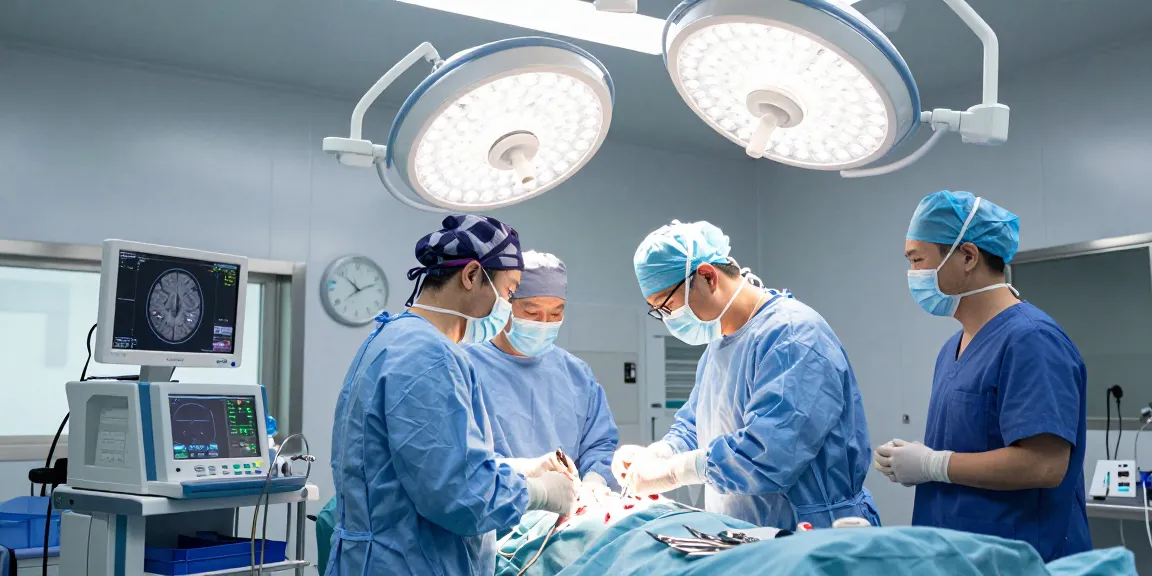
Brain tumor surgery, known in Turkish as beyin tümörü ameliyatı, is a medical procedure aimed at removing tumor masses from the brain. This surgical intervention can vary from minimally invasive techniques to more extensive open surgeries, depending on tumor size, type, location, and patient health. The fundamental goal of this surgery is to alleviate symptoms, reduce intracranial pressure, and potentially eliminate the tumor.
Types of Brain Tumors: Meningiomas vs. Glial Tumors
Brain tumors are categorized into two main types: primary tumors that originate in the brain cells, and secondary tumors that spread to the brain from other body parts. Among the primary tumors, meningiomas and glial tumors are the most common. Meningiomas arise from the meninges, the protective layers covering the brain, whereas glial tumors originate from glial cells that support brain function.
- Meningiomas: Often benign, these tumors grow slowly and can be asymptomatic for years. They are more common in women and can be detected through advanced imaging techniques.
- Glial Tumors: Glial tumors include a range of tumors, such as astrocytomas and oligodendrogliomas, which can be malignant. They vary significantly in behavior, growth rates, and treatment responses.
Identifying Symptoms and Diagnosing Brain Tumors
Early detection of brain tumors often hinges on identifying key symptoms, which may include headaches, vision problems, seizures, changes in behavior, or cognitive difficulties. Diagnosis is confirmed through neuroimaging techniques such as MRI or CT scans, followed by histopathological analysis of tumor samples obtained during surgery or biopsies.
The Surgical Process Explained
Understanding the surgical process for brain tumor removal can empower patients with knowledge about what to expect. The procedure typically includes several important steps, ensuring a well-coordinated approach to treatment.
Steps Involved in Beyin Tümörü Ameliyatı
The surgical process begins with comprehensive pre-operative assessments, including imaging studies and neurological evaluations. The surgical team uses this information to create a detailed surgical plan tailored to the patient’s specific needs. The operation generally involves craniotomy, wherein a section of the skull is removed to access the brain tumor.
Innovative Techniques: Awake Brain Surgery
A notable advancement in neurosurgery is awake brain surgery, a method allowing patients to remain conscious during certain parts of the procedure. This technique enables surgeons to monitor brain function in real-time, minimizing risks to critical areas responsible for speech and motor function.
Risks and Benefits of Surgery
Every surgical procedure comes with its inherent risks and benefits, and brain surgery is no exception. Understanding these can help patients make informed decisions about their treatment options.
Potential Risks Associated with Beyin Tümörü Ameliyatı
While brain tumor surgery can be life-saving, it poses several risks including infection, bleeding, neurological deficits, and complications from anesthesia. Pre-existing health conditions can further elevate these risks, making thorough evaluation crucial before proceeding.
Benefits of Surgical Intervention
Despite the risks, successful brain tumor surgery can lead to significant improvement in patients' quality of life. Removing the tumor often alleviates symptoms such as headaches and seizures and can halt further neurological decline.
Post-Surgery Recovery: What to Expect
Post-operative recovery varies greatly depending on the complexity of the surgery and the patient’s overall health. Patients typically spend time in a recovery unit before being moved to a regular ward, where they receive ongoing monitoring and supportive care.
Advancements in Brain Surgery Techniques
As technology advances, neurosurgery evolves, providing new hopes and enhanced outcomes for patients battling brain tumors.
Utilizing Gamma Knife Technology
Gamma Knife radiosurgery offers a non-invasive treatment alternative for certain types of brain tumors, particularly when surgery is not feasible. This technique uses highly focused radiation beams to target tumor cells while sparing surrounding healthy tissue, leading to effective tumor control with minimal side effects.
Minimally Invasive Approaches in 2026
By 2026, minimally invasive surgical techniques are anticipated to become even more prevalent, allowing for faster recuperation times and reduced hospital stays. Procedures utilizing advanced imaging and robotic assistance will likely transform the landscape of brain surgery.
Future Trends in Neurosurgery
Looking ahead, we expect further integration of artificial intelligence in surgical planning and real-time monitoring during operations. This could enhance safety and precision, leading to better patient outcomes and shorter recovery periods.
Real-Life Experiences and Outcomes
The journey through brain tumor surgery is unique to each patient, shaped by individual circumstances, tumor types, and responses to treatment.
Case Studies: Patient Journeys Post-Surgery
Analyzing patient outcomes can provide valuable insight into the effectiveness of various surgical techniques and recovery processes. Each patient’s experience offers a narrative of hope and resilience, showcasing the human element in medical procedures.
Factors Influencing Recovery and Prognosis
Recovery from brain tumor surgery is influenced by numerous factors including tumor type, size, location, and the patient's age and overall health. Engaging in rehabilitation and following post-operative guidelines can significantly affect recovery trajectories.
Patient Support: Resources and Communities
Patients and their families are encouraged to seek support from local and online communities. Engaging with others who have gone through similar experiences can provide emotional support and valuable information throughout the treatment journey.
What is the typical recovery time after beyin tümörü ameliyatı?
Recovery time varies widely, commonly ranging from several weeks to a few months. Individual patient factors and the specifics of the surgical procedure play significant roles in determining recovery duration.
What are the long-term effects of brain surgery?
Patients may experience various long-term effects post-surgery, including changes in cognitive and physical abilities. Regular follow-ups and rehabilitation can help manage these effects effectively.
How do surgeons prepare for complex cases?
Preparing for complex brain surgeries involves collaboration among multidisciplinary teams, extensive imaging studies, and simulation practices to ensure optimal outcomes.. Additionally, beyin tümörü ameliyatı provides further details.
Are there alternative treatments for brain tumors?
Yes, alternative treatments including chemotherapy, radiation therapy, and clinical trials may be available based on tumor type and patient health. Each option should be discussed thoroughly with a healthcare team.
When should one consider surgery for a brain tumor?
Surgery should be considered when the tumor is symptomatic, potentially malignant, or if it poses a risk to vital brain function. Early intervention can often lead to better outcomes.