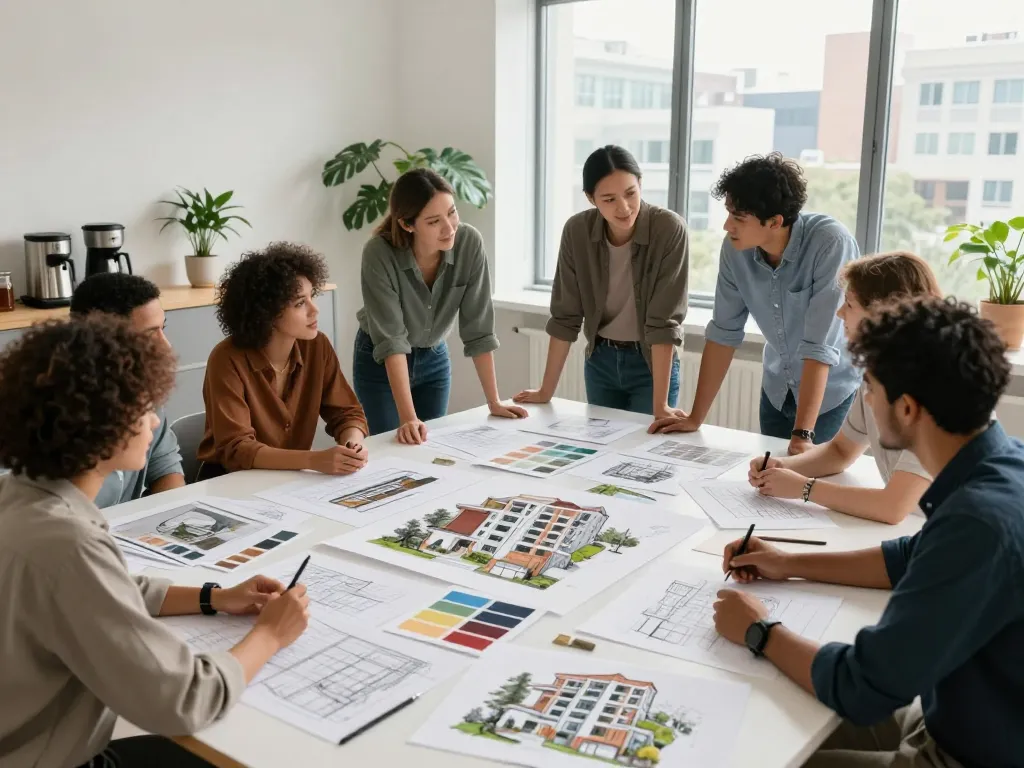
Understanding the Role of a Design Company
In today’s rapidly evolving market, the role of a design company transcends traditional aesthetics; it encompasses strategic planning and innovative solutions tailored to meet the diverse needs of clients across various industries. A well-established บริษัทออกแบบ like Tanda Design Studio offers a comprehensive suite of services that not only enhance the visual appeal of spaces but also improve functionality and user engagement. This multifaceted approach is essential for turning our architectural visions into reality.
What Does a Design Company Do?
A design company undertakes a multitude of responsibilities that span from conceptualization to execution. They specialize in creating environments that not only look good but also function effectively. This includes crafting residential homes, commercial spaces like clinics and offices, and even intricate restaurant designs. The core activities generally involve:
- Consultation: Engaging with clients to understand their vision, preferences, and requirements.
- Site Analysis: Evaluating the physical characteristics of the site, including environmental factors, to inform design decisions.
- Design Development: Creating detailed architectural and interior design plans.
- Project Management: Overseeing the construction process to ensure adherence to design specifications and quality standards.
Key Services Offered by Design Companies
The services provided by design companies can vary significantly based on their area of expertise. However, some of the primary offerings include:
- Architectural Design: Developing the structural and functional aspects of buildings.
- Interior Design: Styling and planning interior spaces to enhance aesthetics and usability.
- Construction Management: Facilitating the building process by coordinating contractors, schedules, and budgets.
- Custom Furniture Design: Creating bespoke furniture that fits the unique needs of the space.
The Importance of Expert Design in 2026
As we move deeper into 2026, the significance of expert design cannot be overstated. The intersection of technology and design is becoming increasingly crucial. Innovations such as virtual reality (VR) and artificial intelligence (AI) are transforming how design companies approach projects, enabling more accurate representations of design concepts and improved client interactions. Furthermore, trends towards sustainable design practices are prompting designers to incorporate eco-friendly materials and energy-efficient solutions into their projects. Clients today expect designs that reflect their values and social responsibility, making it imperative for design companies to stay ahead of these evolving expectations.
Identifying Your Project Needs
Before embarking on a design journey, it is essential to accurately identify your project needs. A clear understanding of your vision and budget can significantly influence the success of your project.
Assessing Your Vision and Budget
Every design project begins with a vision, which should be accompanied by a realistic budget. Engaging with a design company early on can help clarify these aspects. Discussing your aspirations and financial parameters allows designers to propose solutions that are both innovative and feasible. Building a budget that reflects your priorities can help avoid conflicts later in the project.
Common Challenges in Project Planning
Even with the best intentions, several challenges can arise during project planning. Common issues include scope creep, miscommunication with contractors, and unexpected site conditions. Identifying these potential pitfalls early can mitigate risks—this is where the expertise of a design company is invaluable. They can help navigate these challenges by providing clear project timelines and transparent communication.
Best Practices for Defining Project Scope
Defining project scope is integral to the success of any design initiative. To ensure clarity, consider the following best practices:
- Set Clear Goals: Define what you want to achieve with the project—be it functionality, aesthetics, or sustainability.
- Involve Stakeholders: Include key stakeholders in discussions to gain varying perspectives and insights.
- Create Detailed Documentation: Draft a project plan that outlines all deliverables, timelines, and responsibilities.
Evaluating Potential Design Companies
Choosing the right design company can make or break your project. A thorough evaluation process is essential to ensure a good fit.
Key Qualities of a Great Design Company
When considering a design company, look for key qualities that indicate their ability to deliver successful projects. These include:
- Experience: A proven track record in similar projects can indicate reliability and skill.
- Creativity: Innovative ideas and solutions are essential for standout designs.
- Communication: Clear communication is vital for project success; a great design company will prioritize this.
- Client-Centered Approach: Companies that focus on understanding clients’ needs tend to deliver better results.
How to Review Portfolios Effectively
Reviewing portfolios is a critical step in selecting a design company. Assess the following elements:
- Diversity: A diverse portfolio showcases versatility and the ability to adapt to different styles and requirements.
- Detail Orientation: Pay attention to how well projects are executed and whether they align with the client’s vision.
- Client Feedback: Positive testimonials and case studies can provide insight into the company’s reputation and service quality.
Understanding Client Testimonials and Reviews
Client testimonials and reviews serve as a valuable resource for gauging the quality of a design company. They can provide insights into the experiences of past clients, revealing strengths and weaknesses that may not be apparent in a portfolio. Look for consistent patterns in feedback, particularly regarding aspects of communication, project management, and overall satisfaction.
Collaboration and Communication with Designers
Effective collaboration and communication are integral to the success of any design project. Establishing solid communication channels ensures that everyone involved remains aligned throughout the process.
Establishing Clear Communication Channels
From the outset, it is crucial to set up clear communication channels. This might involve regular meetings, email updates, and using project management tools that keep everyone informed about progress. Using a designated point of contact can streamline communication and reduce confusion.
Effective Meetings and Feedback Loops
Meetings should serve as productive discussions rather than mere status updates. Use these sessions to provide constructive feedback, address concerns, and brainstorm solutions. Encouraging an environment of open dialogue fosters collaboration and strengthens the client-designer relationship.
Building a Productive Client-Designer Relationship
A successful project relies on a mutually respectful relationship between client and designer. Establishing trust and understanding helps facilitate a more enjoyable experience for both parties. Being transparent about expectations and requirements from the start will contribute to a positive working relationship.
Future Trends in Design for 2026
As the design landscape continues to evolve, it’s essential to stay informed about upcoming trends that may affect your project.
Innovative Technologies in Design
Emerging technologies are reshaping the design industry. Virtual reality (VR) and augmented reality (AR) tools are becoming commonplace, allowing designers and clients to visualize concepts in immersive environments. Building Information Modeling (BIM) is also gaining traction, streamlining project management and enhancing collaboration among stakeholders.
Sustainable Practices in Design Projects
Environmental consciousness is increasingly influencing design choices. Clients are leaning towards sustainable materials and energy-efficient designs. Implementing practices such as green building techniques and sourcing eco-friendly materials are not just trends; they are becoming industry standards that resonate with modern consumers.
The Impact of Trends on Design Company Practices
Design companies that adapt to these trends will likely outperform their competitors. Embracing technology and sustainability not only enhances a company’s credibility but also meets the growing consumer demand for responsible design. This adaptability can lead to innovative solutions that set companies apart in the crowded design market.
What services can I expect from a design company?
Design companies typically offer a range of services tailored to meet various client needs, including architectural design, interior design, project management, and custom furniture solutions.
How do I know if a design company is reputable?
Researching client testimonials, reviewing portfolios, and considering the company’s experience in your specific area of need can provide insight into their reputation. Reputable firms often exhibit consistent positive feedback.
What should I consider when setting my design budget?
When establishing a budget, consider factors such as the scope of work, quality of materials, and unexpected costs that may arise during the project. Collaborating with your design company to create a realistic financial plan is critical.
How important is client feedback in the design process?
Client feedback is vital throughout the design process as it helps ensure that the project aligns with the client’s vision and expectations. Constructive feedback allows designers to refine their proposals and improve overall project satisfaction.
What are the latest trends in architectural design for 2026?
Key trends include an increased focus on sustainability, the integration of smart technology, and the use of adaptable spaces that cater to diverse functions. Architectural firms that embrace these trends are well-positioned for success in the current market.