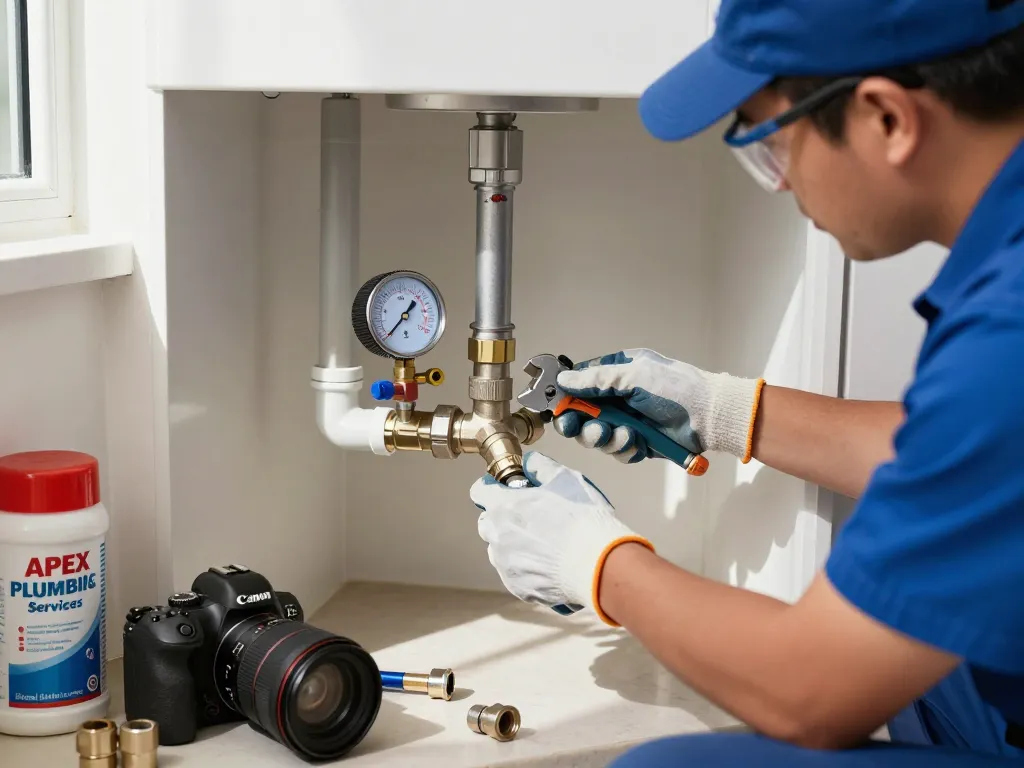
Understanding Backflow Plumbing
Backflow plumbing is a critical aspect of maintaining safe and clean drinking water for properties in Sydney. The term "backflow" refers to the unwanted reversal of water flow, which can lead to contamination of potable water supplies. This phenomenon is not only a technical issue but also a serious public health concern that can affect families, businesses, and entire communities. In today's world, where hygiene is paramount, understanding the intricacies of backflow prevention and mitigation is essential for all property owners. When exploring options, backflow plumbing services can provide comprehensive insights and support to ensure compliance and safety.
What is Backflow and Its Impact on Water Safety?
Backflow occurs when water flows in the opposite direction from its intended path, often caused by pressure changes within the plumbing system. This can introduce contaminants such as bacteria, chemicals, and other harmful substances into the drinking water supply. Understanding backflow is essential for property owners as it directly impacts water safety.
Common Causes of Backflow in Sydney Properties
- Pressure Drops: A sudden drop in water pressure, often due to a break in the supply line, can create a vacuum that pulls contaminants into the clean water supply.
- Cross-Connections: Improperly installed plumbing systems may create cross-connections between clean and dirty water lines, leading to potential backflow scenarios.
- Backflow from Irrigation Systems: Residential and commercial irrigation systems can inadvertently backflow if not equipped with proper backflow prevention devices.
The Legal Requirements for Backflow Prevention in 2026
In Sydney, legal requirements for backflow prevention are outlined in the NSW plumbing code. Property owners are mandated to have backflow prevention devices installed and regularly tested, especially in high-risk areas like commercial kitchens, medical facilities, and industrial sites. Compliance is crucial, not only for safety but also to avoid substantial fines and penalties.
Choosing a Backflow Plumbing Service
Selecting an appropriate backflow plumbing service is vital for ensuring the safety and compliance of your water system. Not all plumbers specialize in backflow prevention, making it essential to choose a licensed professional with specific expertise in this area.
What to Look for in a Licensed Backflow Plumber?
- Licensing and Certification: Ensure the plumber holds the necessary licenses and certifications for backflow prevention work.
- Experience: Look for a plumber with proven experience in handling backflow issues similar to your property's needs.
- Insurance: Confirm that the plumbing service is insured to protect against potential liabilities during the job.
Comparing Reviews and Ratings for Local Services
Online reviews and ratings are invaluable resources for assessing the reliability of backflow plumbing services. Platforms like Google, Yelp, and local directories can provide insights into customer experiences, helping you make an informed decision. Look for services with a high rating and positive feedback regarding their responsiveness and professionalism.
Transparent Quotes: What to Expect
When seeking quotes for backflow services, transparency is key. A reputable plumbing service should provide a detailed breakdown of costs, including labor, materials, and any potential additional fees. This upfront communication reduces the chances of unexpected charges and builds trust between the service provider and the client.
The Process of Installing a Backflow Preventer
Installing a backflow preventer is a crucial step in protecting your property's water supply. Here's a general overview of what to expect during the installation process.
Step-by-Step Guide to Backflow Preventer Installation
- Assessment: A licensed plumber will assess your property's plumbing layout and determine the best location for the backflow preventer.
- Shut Off Water Supply: The water supply will be temporarily shut off to allow safe installation.
- Installation: The backflow preventer is installed according to manufacturer specifications and local plumbing codes.
- Testing: Once installed, the device is thoroughly tested to ensure proper functionality and compliance.
Essential Tools and Equipment Required for Installation
The installation of a backflow preventer requires specific tools, including but not limited to pipe wrenches, screwdrivers, and testing equipment. Having the right tools ensures a smooth installation process and compliance with all local regulations.
Post-Installation Testing: Ensuring Compliance
After installation, post-installation testing is essential. This process verifies that the backflow preventer is working correctly and complies with local standards. Regular testing is also required to ensure continued operation and safety.
Common Backflow Problems and Solutions
Understanding common backflow issues can help property owners address problems promptly and effectively.
Signs Your Backflow Preventer Needs Attention
- Discoloration of Water: Any unusual change in water color can indicate contamination.
- Unusual Odors: Foul smells coming from taps can signal backflow issues.
- Reduced Water Pressure: Low water pressure can be a sign of a malfunctioning backflow preventer.
How to Troubleshoot Common Backflow Issues
To troubleshoot backflow issues, property owners should first inspect their plumbing system for any visible signs of leaks or damage. If issues persist, contacting a licensed plumber for a comprehensive inspection is advised.
Preventative Maintenance Tips for Long-Lasting Protection
Regular maintenance is key to ensuring the longevity and functionality of backflow preventers. Schedule annual inspections and consider implementing a maintenance schedule that includes cleaning and testing the devices.
Future Trends in Backflow Plumbing for Sydney
The plumbing industry is evolving, with new technologies emerging that enhance backflow prevention. Staying informed about these trends is essential for property owners who want to ensure the safety of their water supply.
Innovative Technologies Improving Water Safety
Technological advancements, such as smart backflow devices, are becoming increasingly prevalent. These devices monitor water flow and pressure, alerting property owners to potential backflow situations before they become critical issues.
The Role of Smart Devices in Backflow Prevention
Smart technology not only improves monitoring but also enhances the efficiency of backflow testing and maintenance. Automated systems can provide data analytics that helps in making informed decisions about plumbing care.
What to Expect in Plumbing Regulations Moving Forward
As water safety continues to be a priority, we can expect stricter regulations regarding backflow prevention in the coming years. Property owners should stay informed about changes to plumbing codes and standards to ensure compliance and safety.
What is a backflow in plumbing?
Backflow in plumbing refers to the unintended flow of water in the reverse direction, which can lead to contamination. Understanding this concept is crucial for maintaining water safety in any property.
How do I know if my property needs a backflow device?
If your property has an irrigation system, a swimming pool, or is in a commercial sector that uses water for processing, it likely requires a backflow device. Consulting with a licensed plumber can provide clarity on specific needs.
What causes a device to fail a test?
Common reasons for backflow device failure include corrosion, improper installation, or physical damage. Regular testing can help identify these issues before they become serious problems.
How much does backflow prevention cost?
The cost of backflow prevention can vary based on the type of device, installation complexity, and location. Typically, prices range from a few hundred to several thousand dollars, depending on the specifics of the job.
Can you help if I’ve received a notice about testing?
Yes, if you've received a notice regarding backflow testing, it is crucial to act promptly. Licensed plumbers can assist you in understanding the requirements and completing the required testing efficiently.