
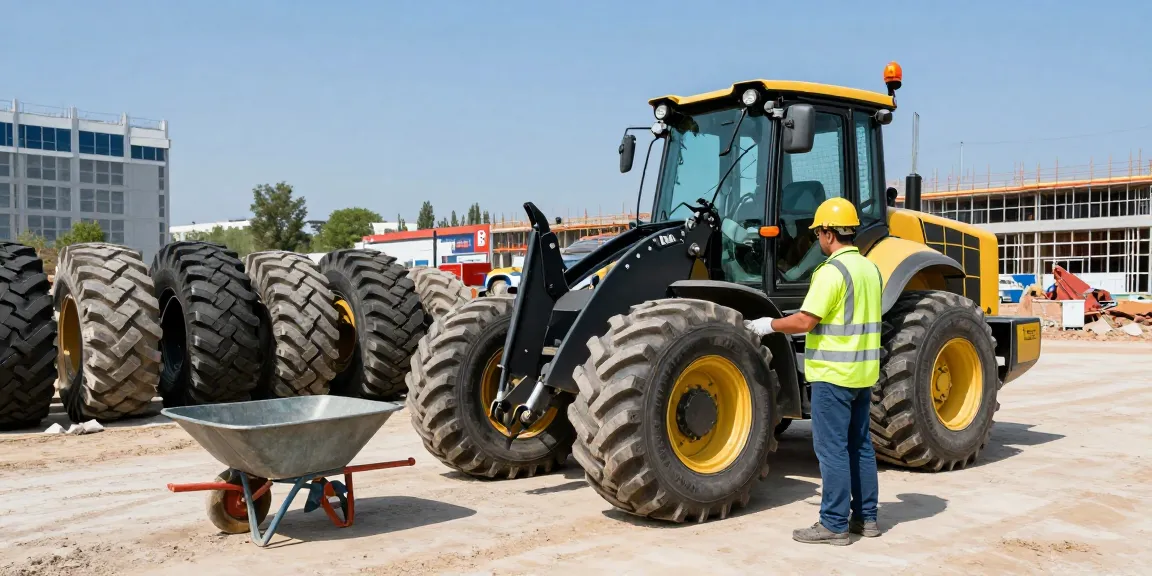
Understanding TLB Tyres: Essential Features and Benefits
When your tractor loader backhoe demands reliable performance across diverse applications, selecting the appropriate tlb tyres is paramount. The unique design and functionality of TLB tyres are specifically tailored to enhance the efficiency of construction and agricultural tasks. This article delves into the essential features, benefits, and key performance indicators of TLB tyres available for sale in Durban, ensuring operators make informed decisions for optimal performance.
What Makes TLB Tyres Unique?
TLB tyres are specifically designed for the unique operational demands of tractor loader backhoes. Their construction involves high-quality materials that provide durability in challenging environments, such as construction sites and agricultural areas. Unlike standard tyres, TLB tyres offer specialized tread patterns that enhance traction and stability, enabling better performance in various conditions, from muddy fields to gravelly construction sites.
Key Performance Indicators for TLB Tyres
Performance indicators for TLB tyres include durability, traction, load capacity, and comfort. Durability ensures that the tyres withstand harsh conditions without wearing out quickly, while traction is essential for effective digging and loading. The load capacity is crucial for safety and operational efficiency, especially when handling heavy loads. Finally, comfort is an often-overlooked aspect, impacting the operator’s experience significantly.
Benefits of Quality TLB Tyres for Operators
Investing in high-quality TLB tyres translates into numerous benefits. Quality tyres enhance productivity by ensuring that equipment operates at peak performance with minimal downtime. They also promote safety by reducing the risk of blowouts and accidents associated with poor tyre conditions. Additionally, operators experience less wear and tear on their machinery, extending the life of their equipment and reducing maintenance costs.
Popular Types of TLB Tyres Available in Durban
Durban’s diverse operational landscapes require a variety of TLB tyres to meet specific needs. Understanding the different types available helps operators make the right choices for their equipment. The following sections will outline the key types of TLB tyres, including their features and suitable applications.
Comparison of Front vs. Rear TLB Tyres
Front and rear TLB tyres serve distinct purposes. Front tyres are designed primarily for steering and load-bearing, featuring smoother tread patterns that facilitate effective road travel and stability. In contrast, rear tyres are built for traction and excavation, sporting aggressive lug designs that enhance grip during digging operations. This differentiation is crucial for ensuring that each tyre type meets the demands of specific tasks.
Specialty Tread Patterns for Diverse Applications
Specialty tread patterns on TLB tyres are engineered for specific conditions. For instance, tyres with deep lugs are ideal for muddy or loose terrains, providing superior traction. Conversely, tyres designed for hard surfaces feature shallower grooves, reducing vibration and ensuring comfort during extended use on roads. These tread patterns are critical in optimizing tyre performance based on the operational environment.
Major Brands of TLB Tyres and Their Characteristics
Several prominent brands manufacture high-quality TLB tyres, each offering unique characteristics. Brands such as JCB, CAT, Case, and New Holland provide a range of tyres tailored for different TLB models. Understanding these characteristics helps operators select the right tyres suited to their machines, enhancing functionality and performance. For instance, CAT tyres often emphasize durability and load capacity, whereas JCB tyres are renowned for their versatile performance across various terrains.
Choosing the Right TLB Tyres for Your Application
Choosing the correct tyres for your TLB is essential to achieving optimal performance and safety. This section offers guidance on assessing your needs and selecting tyres that align with your operational requirements.
Assessing Your TLB’s Requirements
Before purchasing TLB tyres, operators must evaluate their machine’s specifications and the tasks it will undertake. Factors to consider include the type of terrain, the weight of materials being moved, and the specific functions of the TLB. By understanding these requirements, operators can select tyres that enhance performance and durability.
Expert Tips for Selecting TLB Tyres
1. Understand your terrain: Whether it’s soft soil, rocky ground, or paved roads, your terrain dictates the type of tread you need.
2. Match the weight specifications: Ensure the selected tyres can handle the loads your TLB will be moving.
3. Consider tyre lifespan: Invest in tyres known for longevity to reduce replacement frequency and costs over time.
Common Misconceptions About TLB Tyre Selection
Many operators believe that any tyre can fit their TLB, which is not true. Each TLB model has specific requirements, including size and tread design. Additionally, some may think that the cheapest option is always best, overlooking the long-term costs associated with quality versus budget tyres.
Installation and Maintenance of TLB Tyres
Proper installation and maintenance of TLB tyres are crucial for achieving peak performance and safety standards. This section outlines the processes involved and best practices for maintaining your tyres.
Professional Installation Processes Explained
Professional installation involves more than just mounting the tyre on the rim. It requires calibrating the balance, ensuring proper inflation, and aligning the tyres according to manufacturer specifications. Certified technicians have the necessary tools and experience to guarantee optimal installation, minimizing risks of future issues.
Best Practices for TLB Tyre Maintenance
To maintain TLB tyres effectively, operators should follow these best practices:
- Regularly check tyre pressure to prevent uneven wear.
- Inspect for signs of damage, such as cuts or bulges.
- Rotate tyres periodically to ensure even wear and prolong lifespan.
- Keep tyres clean to avoid debris accumulation which can affect performance.
Signs Your TLB Tyres Need Replacement
Recognizing when to replace TLB tyres is vital for safety and efficiency. Indicators that replacement is necessary include:
- Excessive wear on tread patterns.
- Visible cracks or punctures.
- Frequent air loss, indicating potential leaks.
The Future of TLB Tyres in 2026 and Beyond
As the construction and agricultural sectors evolve, so too do the technologies behind TLB tyres. This section explores emerging trends and future expectations for TLB tyres.
Emerging Trends in TLB Tyre Technology
Innovations in tyre technology are centered around enhancing durability and performance. Developments include the integration of smart sensors that monitor tyre health and performance metrics in real-time. These advancements aim to prevent failures and optimize performance, allowing operators to maintain maximum efficiency.
Environmental Considerations for TLB Tyres
With increasing focus on sustainability, manufacturers are developing environmentally friendly tyres. This includes using recyclable materials and designing tyres that minimize environmental impact throughout their life cycle. Such innovations not only contribute to sustainability but also improve operational efficiency.
What to Expect from TLB Tyres in the Coming Years
The future of TLB tyres looks promising, with trends pointing towards enhanced performance and smarter solutions. Expect to see greater customization options that align with specific operational needs and challenges faced by operators in diverse environments.
How do I choose the right TLB tyres?
Choosing the right TLB tyres involves assessing your specific needs—terrain, load, and application. Consulting with experts can guide you to make the best purchasing decisions.
What are the advantages of high-quality TLB tyres?
High-quality TLB tyres provide better performance, enhanced safety, extended lifespan, and reduced maintenance costs, ensuring maximum productivity on the job.
Can TLB tyres be fitted on any brand?
Not all TLB tyres are interchangeable. Each brand and model has specific requirements, making it essential to choose the right tyres designed for your equipment.
What maintenance do TLB tyres require?
Regular maintenance includes pressure checks, visual inspections, rotations, and cleaning to ensure optimal performance and longevity.
How do mobile fitting services work?
Mobile fitting services bring professional installation directly to your location, ensuring minimal disruption to operations. Technicians handle the installation with specialized equipment, allowing for a seamless experience without needing to transport equipment.


